

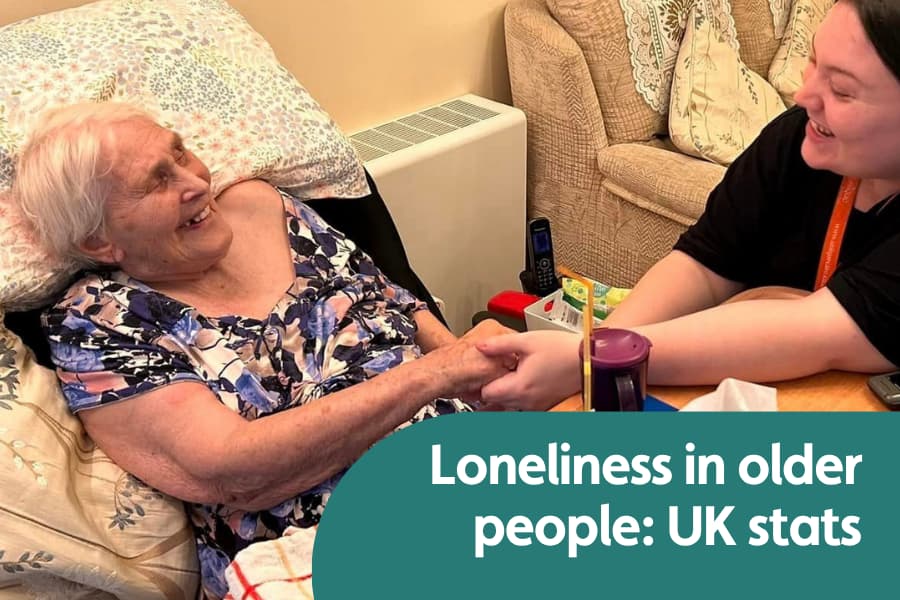
Loneliness in older people often develops quietly. Changes in routine, mobility, or social circles can gradually reduce everyday contact, leaving many older adults spending long periods without meaningful conversation or companionship.
Recent loneliness statistics in the UK show how widespread this issue has become. Around 7% of people aged 65 and over report feeling lonely often or always, equating to roughly 940,000 older adults experiencing chronic loneliness. More than one million older people say they can go a full month without meaningful social contact.
These elderly loneliness statistics in the UK come from a wider research resource on ageing and care needs, which you can explore in our UK elderly care statistics hub. The figures highlight an issue that affects not only emotional well-being but also long-term health, with research linking social isolation in older people to increased risks of depression, heart disease, stroke, and dementia.
Understanding how loneliness develops in later life can help families recognise the signs earlier and support older relatives before isolation begins to affect their well-being or independence.
Key UK loneliness statistics in older people
The available data provides a clearer picture of how loneliness affects older adults across the UK. While many older people maintain strong social connections, a significant number experience long periods with little or no meaningful contact. The figures below illustrate the scale of loneliness and social isolation in later life.
Loneliness in older age
The scale of loneliness among older adults in the UK
of people aged 65 and over report feeling lonely often or always. That represents around 940,000 older adults experiencing chronic loneliness in the UK.
Source: Age UK
adults aged 50 and over are projected to experience frequent loneliness by 2025/26, up from 1.36 million in 2016/17.
Source: Age UK
of people aged 80 and over report high levels of loneliness, compared with around 14–15% of those aged 65 to 79.
Source: ONS / English Longitudinal Study of Ageing
of people aged 65 and over say they go an entire week without speaking to a friend, neighbour, or family member.
Source: ONS
older people say they can go a full month without meaningful social contact.
Source: NHS England
These figures show that loneliness in later life is not rare, and for some people it means days or even weeks without real human contact.
These statistics highlight how loneliness can grow gradually as people age. Health changes, bereavement, reduced mobility, and smaller social networks can all contribute to fewer regular interactions over time.
These findings are reflected in wider public health research, which has found that the health impact of prolonged social isolation can be comparable to smoking around 15 cigarettes a day. This comparison is often used to illustrate how seriously loneliness is now understood within the UK health system.
For families supporting an older relative, these figures can place personal experiences in a broader context. A parent or loved one may appear to be managing day-to-day life independently, while still experiencing long periods of social isolation that can affect both well-being and health.
Related Reading: Is It Time For Care at Home? Free care needs assessment
What loneliness in later life actually looks like
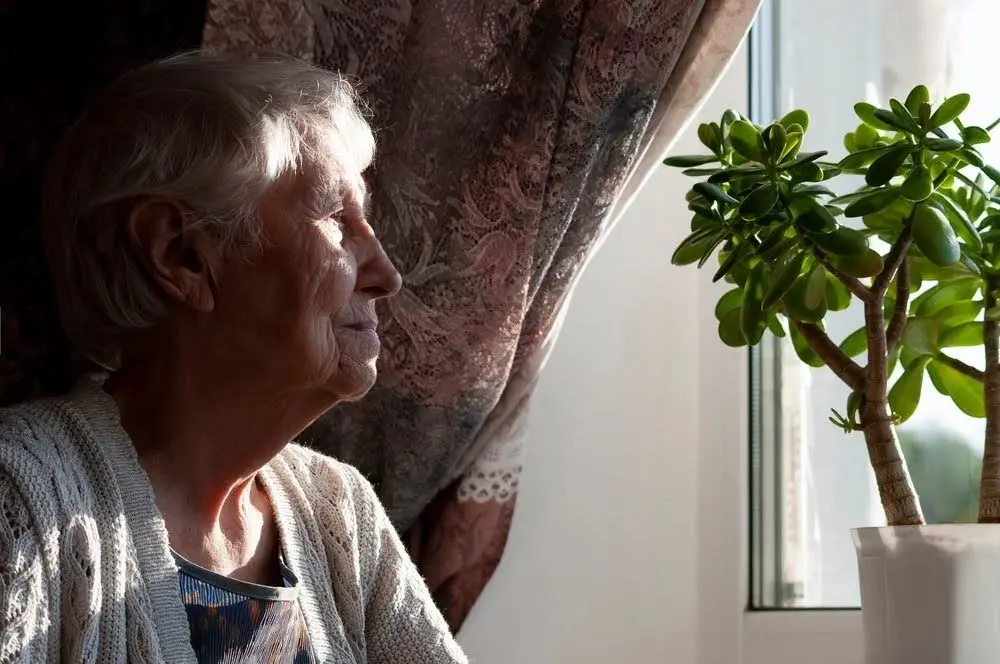
Statistics help explain the scale of loneliness in older people, but they do not always show how social isolation develops in everyday life. Loneliness in later life is rarely defined simply by living alone. Many older adults live independently and remain socially active. Isolation tends to emerge as regular contact becomes less frequent and daily routines change.
For some people, this shift happens after a bereavement. For others, it follows changes in mobility, hearing, confidence, or transport access. Small adjustments in routine can reduce opportunities for conversation and connection.
Families often notice the change through subtle signs rather than clear statements about loneliness. An older relative may speak less frequently about friends or neighbours, or conversations may become shorter and less detailed. Activities that once structured the week, such as visiting local shops, attending community groups, or meeting friends, may begin to fade from the routine.
Social isolation in older people can also affect confidence outside the home. Some individuals become more hesitant to go out alone, particularly if they’re worried about falling, getting lost, or using public transport. Over time, this can lead to fewer spontaneous interactions and more time spent at home without regular contact.
In some cases, families notice that their relative begins to rely heavily on phone calls or visits for connection, sometimes waiting for those moments to structure their day.
Loneliness in older people often remains unnoticed for long periods because it does not always appear as a direct complaint. In many situations, the changes are gradual and easy to explain away as part of normal ageing. In reality, social isolation is often invisible until it begins to affect health, mood, or behaviour.
Why older people are more at risk of loneliness
A single event rarely causes loneliness in older people. In most cases, it develops gradually through changes in how often someone sees or speaks with others. As people age, several common life transitions can reduce opportunities for regular social contact.
One of the most significant factors is bereavement. Losing a partner, close friend, or sibling can change the rhythm of everyday life. For many older adults, a spouse or long-term companion is the person they speak with most frequently. When that relationship is lost, the absence of daily conversation can leave a noticeable gap.
Reduced mobility can also contribute to social isolation in older people. Health conditions, joint pain, or a fear of falling may make it more difficult to leave the house regularly. That can limit visits to shops, community groups, or social activities that once provided regular interaction.
Retirement and changes in routine can have a similar effect. Work often provides a consistent source of conversation and social structure. When that routine ends, some older adults find their social networks shrink unless new activities replace those connections.
Another factor is the changing location of family members. Many families now live in different towns or regions, which can make spontaneous visits less frequent. While phone calls and video calls can help maintain contact, they do not always replace regular in-person interaction.
Health changes can also affect communication itself. Hearing loss may make conversations more tiring or frustrating, particularly in busy environments. Cognitive changes, including early memory problems, can sometimes reduce confidence in social situations or make it harder to maintain existing friendships.
Taken together, these factors help explain why loneliness in later life is relatively common. The statistics discussed earlier show how widespread social isolation can become when several of these changes occur at the same time. For many families, recognising these gradual shifts early can make it easier to introduce supportive routines that help older relatives remain socially connected.
The health impact of loneliness and social isolation
The health impact of loneliness
Key findings at a glance
of people with chronic loneliness report depression or low happiness
increased risk of coronary heart disease
increased risk of stroke
increased risk of developing dementia
Loneliness is linked to both emotional wellbeing and long-term physical health.
Loneliness has measurable health consequences. Research into loneliness in older people shows a clear link between social isolation and both mental and physical health outcomes. Among older adults who report chronic loneliness, around 90% also report depression or low happiness, compared with around 40% of those who are not lonely. This difference highlights how closely emotional well-being is tied to regular social contact.
The impact extends beyond mental health issues. Studies show that loneliness increases the risk of coronary heart disease by 29% and stroke by 32%. There is also a 25% increased risk of developing dementia among people experiencing prolonged social isolation. Persistent loneliness has been associated with a higher risk of premature death, comparable to other established health risk factors.
Several overlapping factors influence these outcomes. Loneliness can increase chronic stress levels, which can affect both cardiovascular health and the immune response. It can also lead to reduced physical activity, particularly when individuals spend more time at home and less time moving through daily routines. In addition, socially isolated people may have less regular monitoring of their health, meaning changes in condition are noticed later.
Taken together, these effects show that loneliness in later life is closely linked to overall health and independence. Addressing social isolation early can play an important role in maintaining both physical and emotional well-being.
Related Reading: Specialist care at home: Supporting dementia, Parkinson’s, stroke and complex needs
Signs of loneliness in elderly people that families should watch for
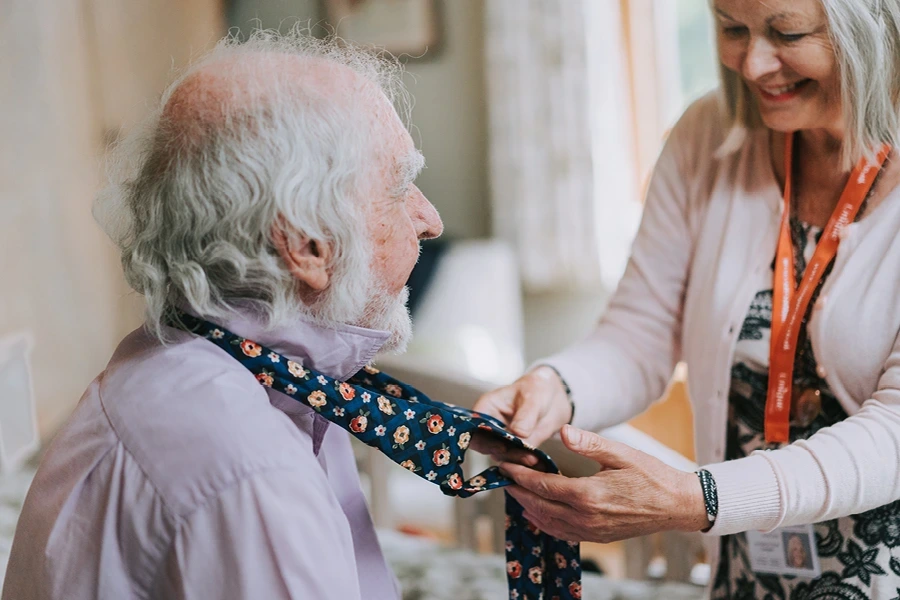
Loneliness is often noticed in hindsight. These are the early signs families tend to recognise later.
In many cases, older people do not describe themselves as lonely. Instead, the changes appear gradually in behaviour, mood, or routine. Families may only recognise the pattern once several signs are present at the same time.
One of the first changes is often a withdrawal from conversation. Phone calls may become shorter, or an older relative may seem less engaged during visits. They may have fewer updates to share about their week, reflecting a reduction in day-to-day interactions.
Mood changes can also develop. Some individuals become quieter, while others may appear more irritable or unsettled than usual. These shifts are not always linked directly to a specific event, which can make them harder to identify.
A loss of routine is another common indicator. Regular activities such as shopping, attending groups, or maintaining hobbies may begin to fall away. This can sometimes be accompanied by a reduced appetite or less interest in preparing meals.
Families may also notice a decline in interest in hobbies or activities that were previously important. This is often gradual and may be explained as tiredness or lack of motivation.
In some cases, there is an increase in anxiety about everyday situations, such as leaving the house, managing appointments, or handling small changes in routine.
These changes are easy to dismiss individually, but together they often point to something deeper. Recognising them early can help families take supportive steps before isolation begins to affect health and confidence.
Related Reading: 7 signs that an elderly loved one needs extra help
When loneliness becomes a wider risk
Loneliness in older people often interacts with other factors that affect health, safety, and independence in later life.
Reduced social contact can lead to lower levels of physical activity, potentially increasing the risk of falls. When movement becomes less frequent, strength and balance can decline, making everyday tasks more difficult and increasing the likelihood of injury.
Social isolation can also affect what happens after a hospital stay. Older adults who return home without regular support may find it harder to manage recovery, which can contribute to delayed discharge challenges or unplanned readmissions. Without consistent contact, early signs of deterioration may go unnoticed.
For those living alone, loneliness can act as a risk multiplier. Limited interaction means that changes in health, mobility, or well-being are less likely to be identified quickly. This can lead to longer periods without support when it is needed.
There is also a connection between isolation and cognitive decline. Reduced social engagement can limit mental stimulation, which is important for maintaining cognitive function.
These patterns reflect a broader reality seen across the data. In later life, challenges rarely occur in isolation. Instead, they tend to overlap and reinforce each other, meaning that early support in one area can help reduce risk across several others.
Related Reading: Questions to ask before arranging home care. What families wish they knew earlier
How the right support can reduce loneliness
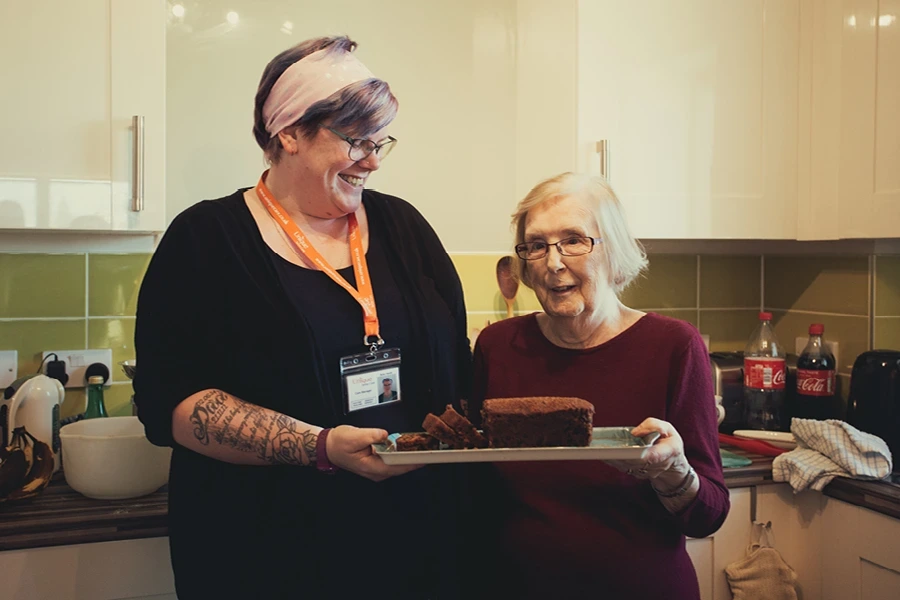
Reducing loneliness in older people does not always require large changes. In many cases, it begins with restoring regular contact and rebuilding a sense of routine. The right support depends on the individual, their preferences, and how their circumstances have changed.
For some families, more frequent visits can make a meaningful difference. Spending time together, sharing meals, or helping with everyday tasks can help reintroduce structure and connection. However, this is not always easy to maintain alongside work, distance, or other responsibilities.
Community groups and local activities can also provide valuable opportunities for social interaction. These may include day centres, hobby groups, or local events. For older adults who feel confident leaving the house, these settings can help rebuild social networks.
In some cases, technology can support regular contact. Video calls, messaging, and simple communication devices can help families stay in touch more consistently, particularly when they do not live nearby. That said, not all older people feel comfortable using digital tools, and technology does not always replace in-person interaction.
When these options alone are not enough, professional care can provide more consistent support. One of the most effective ways to reduce isolation is through regular, one-to-one human presence, where conversation, companionship, and daily routines are part of everyday life rather than occasional additions.
When these changes are gradual, they can be difficult to recognise early. Families often adjust to small shifts in behaviour without realising how much day-to-day contact has reduced.
At Unique Senior Care, we look at this closely through our Is It Time For Care? assessment, which includes a personalised care radar. It helps identify early signs of social isolation, changes in routine, and reduced interaction before they begin to affect health or independence more significantly. This kind of early understanding can make it easier to introduce the right level of support at the right time.
Related Reading: Hourly care vs live-in care: What’s the difference and who is each for?
The role of live-in care in reducing isolation
Live-in care offers a form of support built around consistent presence and continuity. Rather than short visits, it provides ongoing companionship alongside practical help with daily living.
For many older people, this means having someone there to share everyday moments, whether that is conversation over meals, support with routines, or simply knowing another person is present in the home. This regular interaction can help reduce long periods of silence, which often contribute to feelings of isolation.
Maintaining familiar routines is another important part of this approach. Staying in a known environment, with established habits and surroundings, can help older adults feel more comfortable and confident. This stability often supports both emotional well-being and independence.
Live-in care also provides a level of emotional continuity. Seeing the same person each day can make it easier to build trust and maintain meaningful interaction, rather than having to adjust to different Carers or limited visit times.
An additional benefit is that changes are more likely to be noticed early. Subtle shifts in mood, appetite, or mobility can be identified sooner when someone is present consistently. This can help families respond more quickly and avoid situations where concerns go unnoticed for longer periods.
At its core, this type of support focuses on outcomes that matter in daily life: feeling seen, feeling safe, and staying connected to the world around you.
Related Reading: What emotional support does a live-in Carer provide beyond daily tasks?
Why early support matters more than crisis response
Loneliness in older people rarely appears suddenly. It tends to build as routines change and social contact becomes less frequent. Because the changes are gradual, it is common for support to be introduced only when a clear problem has already developed.
Taking action earlier can help prevent some of the broader risks associated with social isolation. As the statistics show, loneliness is associated with increased risks to both mental and physical health, including depression, cardiovascular conditions, and cognitive decline. Addressing isolation before these effects become more pronounced can help maintain stability and independence.
Early support can also reduce the likelihood of situations escalating into more urgent concerns. This includes avoiding unnecessary hospital admissions, supporting safer recovery after illness, and helping older adults remain confident in their own homes.
For families, recognising the early signs of loneliness and responding with the right level of support can make a meaningful difference. It allows care to develop gradually, rather than being introduced in response to a crisis.
Related Reading: Why families delay arranging care, and why starting earlier can help
Understanding the numbers, recognising the reality
The statistics around loneliness in older people provide important context. They show how common social isolation has become and how closely it is linked to health and well-being in later life.
At the same time, the numbers reflect real experiences. Behind each figure is a person whose day-to-day life may involve long periods without conversation, reduced confidence, or a gradual loss of routine.
Understanding both the data and the lived reality can help families make more informed decisions. If any of the patterns described in this guide feel familiar, it may be worth exploring what additional support could look like before isolation begins to affect well-being more significantly.
If you are concerned about a parent or loved one, speaking to someone who understands how care works in practice can help bring clarity.
The team at Unique Senior Care can talk you through what support might look like at home, at the right pace, and in a way that feels comfortable for your family.
Article sources
- Age UK (2024/25)
- NHS England
- Office for National Statistics (ONS)
- Campaign to End Loneliness
- Unique Senior Care
- Care Quality Commission (CQC).

Jo joined Unique Senior Care as a Carer in 2011, transitioning from a nursing background. With 25 years of experience in health and social care, including mental health and children with disabilities, Jo has embraced numerous growth opportunities within the company.
Passionate about learning and development, Jo earned a Level 5 Diploma in this field and is committed to equipping teams with the skills needed for outstanding care.
Jo’s qualifications include advanced training in people handling, risk assessment, safeguarding, basic life support, first aid, health and safety, and dementia care. Jo has also completed numerous workshops and CPD courses, such as the SCIE’s Co-Production webinar.
These accomplishments reflect Jo’s dedication to fostering a culture of safety and excellence in care.