

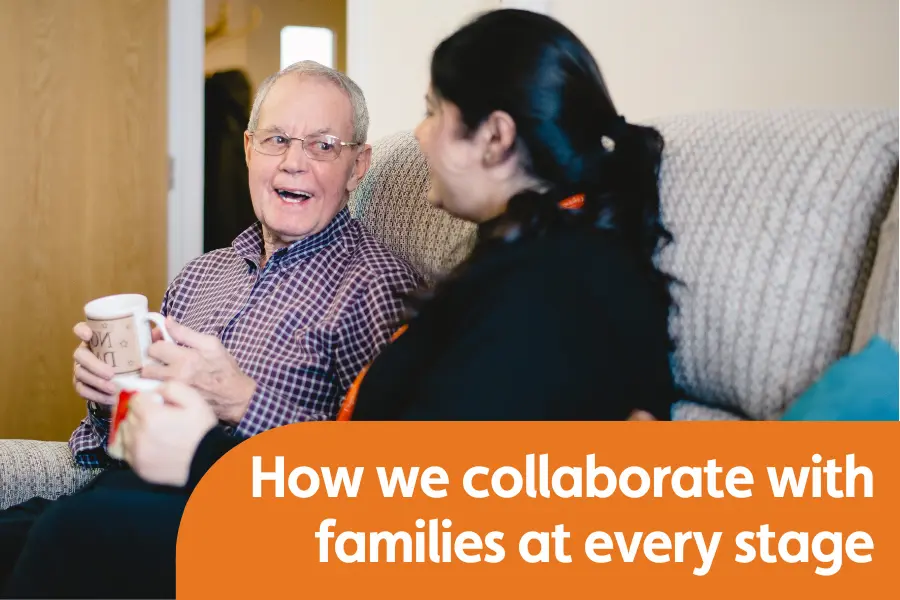
Summary: This blog explains how Unique Senior Care works in partnership with families at every stage of arranging live-in care. From the first phone call to ongoing reviews, it shows how care is built together through open communication, collaboration, and family insight. Readers will learn how the process works, what to expect from their Care Manager, and how families stay involved in every decision to achieve the best live-in care outcomes.
Arranging live-in care can carry big emotional weight, and it’s normal to feel unsure at first on how it will work and how much say you'll have in your loved one's care. You want to stay involved and make sure your loved one is comfortable and that they're cared for in the way they want.
This is something we're really passionate about as we know how important family involvement is. From the very first call to regular reviews, we work closely with you. Every part of the process is shaped around your family’s needs and the person we’re supporting. Here’s how we do it, together.
1. Starting the conversation: understanding your family’s care needs
When families first get in touch, we take time to listen and understand what’s happening at home. Many people contact us not quite sure what kind of care they need yet, or how best to manage things as their loved one’s needs change. That’s completely normal.
This first conversation is about hearing your circumstances. We’ll talk about what’s working well, what’s becoming difficult, and what sort of help might make life easier. Sometimes that means explaining how live-in care compares with visiting care, or how to balance support from family with professional help.
Our role at this stage is to listen, reassure, and guide you through the options so that together we can start building care that feels right for everyone. It’s the first step in a collaborative care process that’s built around you.
2. Meeting at home: getting to know your loved one and their routine
After our first conversation, the next step is to meet you at home for a free consultation. This visit is relaxed and centred around understanding your loved one’s needs and your family’s expectations.
We’ll spend time getting to know their routines, what they enjoy, and what helps the day run smoothly. We’ll also look at any practical details such as medication, mobility, or household set-up that might influence the support they need.
Family members are encouraged to join in, as you’ll often notice small things that make home most comfortable for your loved one - like their favourite TV shows, meal preferences, or how they like to spend their mornings. These insights shape the way we build care that fits naturally into home life and feels genuinely personal to their own needs and wants. This family-centred approach helps us understand not just the care needs, but the people and relationships that make each home unique.
Our New Client Manager, Claire, has put together a video all about what to expect during your consultation:
3. Creating the care plan together with your family
Once we’ve gathered a full picture of your loved one’s daily life, and if you decide to go ahead with care, we’ll bring all of that information together to build a care plan that feels natural and achievable. This plan goes way beyond care tasks; it’s a Carers guide which encompasses how someone wants to live each day and how we can make that happen.
We’ll talk about the best times for support, favourite meals, how household routines are managed, and what type of communication works best for you as a family. Some families prefer regular updates by phone, while others like to check in at review meetings.
Every care plan is flexible. If health or routines change, we’ll review things together and adapt straight away. It’s a shared plan, shaped by your input, so everyone knows exactly what to expect and your loved one continues to receive care that truly fits their life. This is care plan collaboration at its best — combining professional expertise with your family’s insight.
4. Matching your Live-in Caregiver to your loved one’s needs and personality
Finding the right Caregiver is a big part of making live-in care work well. It’s about more than experience – it’s about trust and personality. We’ll talk together about what sort of person your loved one would feel most comfortable with, from shared interests to the kind of approach that feels right day to day.
When we’ve learned what matters most to you, we’ll send a detailed profile of the Caregiver we’ve chosen. This includes their background, experience, and a short video introduction so you can see who they are before care begins. Families often find this really helpful, especially as meeting in person isn’t usually possible. Our Live-in Caregivers work across the country, often moving between placements, so this step helps everyone feel more familiar before the first day.
We always do our best to make a thoughtful match based on personality, lifestyle, and care needs. That way, when care begins, it already feels like a good fit – calm, natural, and reassuring for everyone involved.
Michael's video below shows just how much of a difference the right Carer match can have:
5. The first week of live-in care: settling in and staying supported
When care begins, your Care Manager will always be there on the first day to introduce your Caregiver and make sure everyone feels comfortable. We know that having someone new in the home can feel like a big change, so this visit helps everything start smoothly and gives you a chance to ask questions face to face.
Your Care Manager will visit again after the first week to see how things are going and make any small adjustments that might help. Within the first month, they’ll complete four face-to-face visits to check that the care plan is working well, that your Caregiver is settling in, and that your loved one feels happy and supported.
These early visits are an important part of getting care right. Families often say this hands-on approach helps everyone feel reassured and confident from the very start.
6. Keeping in touch: open communication with your Care Manager
Open communication is key. You’ll always have a direct contact who knows your family and your Caregiver, and there’s always someone available to help. We stay in touch regularly by phone and through visits, but you can reach us whenever you need to — even outside normal hours through our 24-hour out-of-hours service.
Your Care Manager and our office team are both here to support you. Whether it’s a small question or a bigger concern, we’ll listen and act quickly. We also carry out regular quality assessments to make sure every aspect of care stays at a high standard.
Families are encouraged to share their thoughts at client forums, through surveys, or directly with their Care Manager. Many people also like to share updates about health, hobbies, or daily life so we can adapt care in real time. This ongoing communication helps everything run smoothly and keeps care personal and responsive. It’s all part of how we communicate openly with care providers and families to make sure support always feels joined-up and transparent.
7. Regular reviews: adapting care as your loved one’s needs change
As time goes on, care often needs small changes to keep everything working smoothly. That’s why we carry out regular reviews – usually every few months, or sooner if something changes. These are a chance to sit down together with your Care Manager and look at how things are going.
We’ll talk about what’s working well, any new challenges, and whether your loved one’s needs or routines have changed. It’s also an opportunity for families to share feedback and suggestions, knowing they’ll be listened to.
These reviews make sure care continues to evolve alongside your loved one’s life, so support always feels right and everyone stays confident about the plan in place. This collaborative review process ensures that our approach to family-centred care always adapts as your loved one’s needs grow and change.
Working together for the best live-in care outcomes
At every stage, our focus is on working with families in live-in care to make sure everything feels personal, consistent, and right for the people we support.
Live-in care works best when everyone’s connected. When families, Caregivers, and Care Managers share ideas and stay in touch, life feels calmer and more secure. It’s what makes our approach to collaborative live-in care so effective.
If you have any questions about how we involve families in care or how collaboration works in practice, we’re always happy to explain. And if you’d like to talk about how live-in care could help your family, please get in touch - we’ll take the time to listen and guide you through every step.
External References

With over 40 years of experience in the care industry, providing outstanding care has always been Helena’s core mission.
Helena has been a dedicated member of Unique Senior Care for eight years, starting as Care Manager and advancing to Head of Extra Care and now serving as Director of Operations.
She holds a Level 5 Diploma in Leadership for Health and Social Care and Children and Young People’s Services (England), as well as a Diploma in Welfare Services. Helena has completed various leadership and management courses, enhancing her expertise in the care industry.
Helena has authored published articles, including one for Skills for Care on managing change through the COVID pandemic. She has a steadfast commitment to advocating for and supporting those in need, ensuring their voices are heard and their rights upheld.