
What to Do When Care Needs Change Suddenly
Episode 17
Sometimes, life changes overnight. One phone call. One fall. One hospital admission. And suddenly, you are trying to make sense of conversations about discharge plans, care needs, medication, and what happens next.
For many families, these moments come without warning. Even if someone you love has been coping reasonably well, a sudden illness or accident can quickly change what support they need.
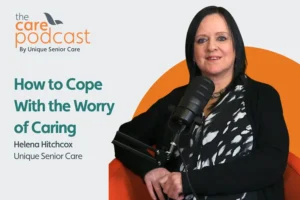
In this episode of The Care Podcast, Jo speaks with our Operations Director, Helena Hitchcox, who shares practical advice and reassurance around navigating sudden health changes later in life. Drawing on more than 30 years’ experience supporting clients and families to maximise wellbeing at home, Helena explains how small steps taken early can make these situations easier to manage.
What sudden changes can happen as someone gets older?
As people age, health conditions and frailty can increase the risk of sudden events that dramatically affect independence and wellbeing.
These can include:
- falls and fractures, such as a broken hip
- strokes
- heart attacks
- sudden infections or illness
- a rapid decline in mobility or confidence
- changes in memory or cognitive ability
These experiences can feel overwhelming, especially when families are suddenly asked to make decisions about care, hospital discharge, or long-term support.
Helena explains that many people do not know where to begin when a loved one is admitted to hospital unexpectedly. It is often only at that point that conversations about care happen for the first time.
Why planning ahead can make a difficult situation easier
Although you cannot predict emergencies, there are practical things you can do early that make future decisions less stressful. One of the most important is having open conversations before a crisis happens.
This might include discussing:
- what support your loved one would want if their health changed
- where they would prefer to receive care
- what matters most to them day to day
- how they would like important decisions handled
These conversations can feel uncomfortable at first, but they often provide reassurance later when families are under pressure.
Why Power of Attorney matters before a health crisis
Helena highlights the importance of arranging Power of Attorney while your loved one still has the ability to make that decision themselves.
If someone experiences something like a stroke or significant cognitive decline, families may suddenly find themselves unable to make decisions on their behalf without legal authority in place.
There are two main types of Lasting Power of Attorney in the UK:
- Health and Welfare – this allows someone to make decisions about medical care, daily routines, living arrangements, and care preferences if a person becomes unable to make those decisions themselves.
- Property and Financial Affairs – this covers things like managing bank accounts, paying bills, handling pensions, and making decisions about finances or property.
Having these in place can make it much easier to support your loved one if their health changes suddenly. The UK Government provides guidance on how to arrange this through the official GOV.UK website.
How low-level support can help prevent crisis situations
Often, support does not need to start with personal care. Many families begin with small amounts of help that improve wellbeing and reduce isolation, such as:
- companionship visits
- support getting out into the community
- attending memory cafés or local groups
- help with shopping or appointments
- social support to maintain routine and confidence
Helena explains that these early support networks can become incredibly valuable if someone’s health changes later.
Instead of starting from scratch during a stressful hospital admission, families already have trusted relationships in place with Carers, companions, or support organisations who understand the person and their routines.
Why familiar support makes hospital discharge easier
One of the hardest parts of a sudden illness is often what happens after hospital discharge.
A loved one who was previously independent may suddenly need support with:
- personal care
- medication
- mobility
- nutrition and hydration
- rehabilitation at home
If they already know and trust a Caregiver or support team, this transition can feel much less frightening.
Helena explains that many companion Carers are also trained to provide regulated care, meaning support can often increase gradually as needs change. This continuity can help someone feel safer and more comfortable during recovery.
What NHS-funded support is available after hospital discharge?
In some situations, people leaving hospital may receive short-term NHS-funded support at home, often for up to six weeks.
This is sometimes arranged following:
- falls or fractures
- surgery
- illness requiring rehabilitation
- significant changes in mobility or independence
The aim is usually to help someone regain independence or assess what support they may need longer term.
Helena also reassures families that they are not tied to a particular care provider after this funding ends. Families can explore ongoing support options that feel right for them.
Small home adaptations that can help someone stay independent
Preparing the home environment early can make a significant difference if someone becomes more frail. Simple adaptations may help reduce falls, improve confidence, and support independence for longer.
These might include:
- grab rails
- accessible showers
- walking aids
- improved lighting
- kitchen aids for opening jars or tins
- stair rails
- raised seating or toilet aids
Sometimes, relatively small changes can make everyday tasks manageable again and reduce frustration or risk. The NHS also provides guidance on equipment and adaptations that may help older adults remain independent at home.
Practical things to have ready in an emergency
When emergencies happen, it can be difficult to think clearly. Helena recommends keeping important information easy to access so families are better prepared.
This could include:
- an up-to-date medication list
- details of allergies or medical conditions
- emergency contact information
- hearing or communication needs
- hospital passports or care documents
- details about routines, preferences, or how someone likes to be supported
This is especially important for people living with dementia, learning disabilities, or communication difficulties, where personalised care information can make hospital stays less distressing.
As Helena explains:
“Care, whether it’s at home or in hospital, should always be personalised.”
Why personalised care matters during sudden health changes
When someone experiences a sudden illness or health crisis, it is easy for care to become focused purely on medical needs or practical tasks. But personalised care means understanding the person as an individual, not just their condition.
This can include knowing:
- how they prefer to communicate
- whether they have hearing loss, sight loss, or cognitive difficulties
- routines that help them feel calm and reassured
- foods, drinks, or daily habits that are familiar to them
- what might cause distress or confusion
- the ways they usually like to receive support
These details can make hospital stays, home care, and recovery feel less overwhelming, particularly for older adults living with dementia, frailty, or communication difficulties.
As Helena explains in the podcast, personalised care helps professionals and families provide support that protects dignity, comfort, emotional wellbeing, and a sense of identity during stressful situations.
What this means for you as a family
Sudden changes are difficult. Even when you know your loved one is becoming more frail, nothing fully prepares you for that moment where everything changes at once.
But preparation is not about expecting the worst. It is about making difficult situations slightly easier to manage when they happen.
Putting support in place early, having important conversations, and building trusted relationships around your loved one can reduce stress, improve continuity of care, and help everyone feel more supported through uncertain times.
Continuing the conversation
If you are navigating the care journey, you may find it helpful to explore more episodes of The Care Podcast, where families and care professionals speak honestly about the realities of care.
If you are thinking about support for yourself or someone you love, our team is here to talk things through. Helping families make sense of care is what we do.
You may also find our Care Advice Hub useful, where we share practical guidance for families at every stage of their care journey.
Episode details

- Series
- The Care Podcast
- Episode title
- What to Do When Care Needs Change Suddenly
- Release date
- Duration
- 10:24
- Episode
- Episode 17
- Season
- Season 1
- Host
- Jo Cleary
- Guest
- Helena Hitchcox, Operations Director at Unique Senior Care
- Produced by
- Unique Senior Care

With over 40 years of experience in the care industry, providing outstanding care has always been Helena’s core mission.
Helena has been a dedicated member of Unique Senior Care for eight years, starting as Care Manager and advancing to Head of Extra Care and now serving as Director of Operations.
She holds a Level 5 Diploma in Leadership for Health and Social Care and Children and Young People’s Services (England), as well as a Diploma in Welfare Services. Helena has completed various leadership and management courses, enhancing her expertise in the care industry.
Helena has authored published articles, including one for Skills for Care on managing change through the COVID pandemic. She has a steadfast commitment to advocating for and supporting those in need, ensuring their voices are heard and their rights upheld.