

Summary: This guide explains how to calm someone with dementia and how to deal with agitation in dementia in a practical, supportive way. It covers why agitation happens, what can help in the moment, what can unintentionally increase distress, and how small changes to routine, communication, and environment can reduce agitation over time. It also explains when it may be helpful to seek professional advice or additional support.
When someone with dementia becomes distressed or agitated, it can feel difficult to know how best to respond.
You may find yourself trying to reassure them, explain what’s happening, or calm things down with words.
Sometimes, though, adding more information can feel overwhelming for the person, especially if they are already finding it hard to process what’s happening around them.
This is a very common experience. Understanding why agitation happens and how to respond in a way that feels calmer and easier to process can make these moments feel more manageable.
In this guide, we’ll walk through what causes agitation in dementia, how to calm someone in the moment, what tends to help, and the small, practical changes that can reduce distress over time.
Quick Answer: How to Calm Someone with Dementia
When someone with dementia becomes agitated, it often helps to reduce pressure rather than try to explain or reassure. When thinking about how to deal with agitation in dementia, focusing on reducing pressure is often more effective than trying to explain or reason.
Start by pausing and checking for any physical needs such as pain, discomfort, hunger, thirst, or needing the toilet. These are common triggers, and addressing them can quickly reduce distress.
Keep your communication calm and simple. Use short sentences, speak slowly, and give the person time to process. Avoid long explanations or asking too many questions, as this can feel overwhelming.
Focus on how they feel rather than correcting what they say. Simple reassurance like “I’m here” or “you’re safe” can help the person feel more secure.
If needed, make small changes to the environment. Reduce noise, soften lighting, or move to a quieter space. You can also gently redirect their attention to something familiar, such as music or a simple activity.
In many cases, agitation eases when things feel calmer, simpler, and more manageable.
What Causes Agitation in Dementia
Agitation in dementia is rarely random. In most cases, it is a way of communicating that something doesn’t feel right.
When someone becomes distressed, there is usually a reason behind it, even if it isn’t immediately obvious. Dementia can make it much harder for someone to recognise what they are feeling or explain it clearly, so that distress often shows up through behaviour instead.
Common Causes of Agitation

Physical
- Pain or discomfort
- Hunger or thirst
- Needing the toilet
- Too hot or too cold

Environment
- Too much noise
- Busy surroundings
- Changes to routine
- Too much going on

Emotional
- Anxiety
- Fear
- Confusion
- Feeling unsafe
Physical Causes of Agitation in Dementia (Pain, Hunger, Discomfort)
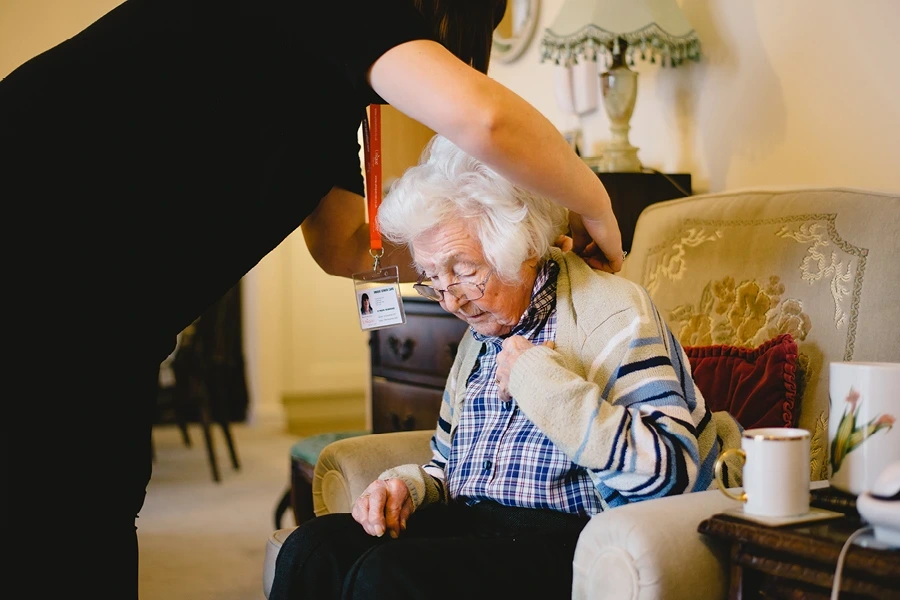
In many cases, the cause is something physical. The person may be in pain, uncomfortable, hungry, thirsty, or need the toilet. Research from organisations such as Alzheimer’s Society and Dementia UK highlights that these unmet needs are some of the most common triggers for agitation, particularly when the person cannot easily express them.
Environmental Triggers of Agitation in Dementia (Noise, Routine Changes)
The environment can also have a big impact. Too much noise, busy surroundings, or changes to routine can feel overwhelming. What seems like a normal day to you can feel confusing or even frightening when the brain is struggling to process what’s happening.
Emotional Causes of Agitation in Dementia (Anxiety, Fear, Confusion)
There is often an emotional layer as well. The person may feel anxious, unsafe, or unsure of where they are. Even in familiar surroundings, dementia can make things feel unfamiliar, which can increase fear and frustration.
How Dementia Affects the Brain and Leads to Agitation
Dementia also affects how the brain processes information. Logical thinking becomes more difficult, and long explanations can add to the pressure rather than reduce it. At the same time, emotions are often still felt very strongly, even when they cannot be clearly expressed.
As Jo Cleary, Learning and Development Manager at Unique Senior Care, explains:
“Distress is usually communication. If we focus only on stopping the behaviour, we can miss what the person is trying to tell us.”
Seeing agitation in this way can gently shift your approach. Instead of trying to stop the behaviour, it becomes about understanding what might be causing it and how you can reduce that pressure.
Early Signs of Agitation in Dementia (What to Look For Before It Escalates)
Signs someone may be becoming overwhelmed
- ✓ Repeating questions more often
- ✓ Restlessness or pacing
- ✓ Seeming more confused than usual
- ✓ Becoming more irritable or frustrated
- ✓ Changes in tone of voice
- ✓ Changes in body language
Agitation in dementia rarely appears out of nowhere. In most cases, there are small changes that happen first - signs that the person is starting to feel overwhelmed.
These early signs can be easy to miss, especially if they build gradually. But noticing them can make a big difference, because it gives you a chance to step in before the situation becomes more distressing.
You might notice the person repeating questions more often, becoming restless or pacing, or seeming more confused than usual. Some people become more irritable or frustrated, while others may show subtle changes in their tone of voice or body language.
These behaviours are often early signals that something doesn’t feel right, whether that’s physical discomfort, confusion, or too much going on around them.
If you can recognise these signs early, you can often prevent escalation by slowing things down, reducing noise, or gently checking whether the person needs something. Even small adjustments at this stage can help avoid a more distressing episode later on.
Why Simpler Communication Can Feel More Reassuring in Dementia

It’s completely natural to try to reassure someone when they are upset. Most of us instinctively want to explain what’s happening or help the person see that everything is okay.
But with dementia, the brain can struggle to process language in the same way it once did. When someone is already distressed, long explanations or repeated reassurance can feel like too much information all at once.
This can sometimes add to the sense of pressure. The person may not be able to follow what’s being said, or they may feel frustrated if they are being corrected.
For example, saying “you’re fine, you’re at home, there’s nothing to worry about” may feel reassuring to you. But if the person cannot fully understand or retain that information, it can make them feel more confused rather than less.
This is often when distress can build further.
In these moments, it can help to shift away from explaining and towards simplifying. Fewer words, a calmer tone, and a focus on reassurance through presence rather than information can make a noticeable difference.
What Helps Avoid Increasing Distress in Dementia
When someone with dementia is distressed, it’s very natural to want to help quickly. Some responses can add extra pressure without meaning to, so it can help to focus on approaches that keep things calm and simple.
Guidance from organisations such as the NHS and Alzheimer’s Society highlights that reducing stress and avoiding confrontation are key in these moments. That means it’s often just as important to know what not to do.
Approaches that can help keep things calmer include:
- Avoid arguing or correcting the person, even if what they are saying isn’t accurate
- Keep explanations brief rather than giving lots of information at once
- Ask one simple question at a time, allowing space to respond
- Allow extra time, rather than rushing or expecting a quick response
- Keep your tone, facial expression, and body language calm and reassuring
Keeping communication simple and calm can make things feel more manageable, especially when the person is already finding it hard to process what’s happening around them.
It can help to remember that this response is not intentional.
The person is not choosing this. Their brain is finding it harder to interpret the situation, and their response reflects that confusion or discomfort.
Stepping back, simplifying your response, and focusing on reducing pressure can often prevent the situation from escalating further.
What Helps and What Can Increase Distress
Small changes in how you respond can make a big difference. Some approaches reduce pressure, while others can unintentionally add to it.
Can increase distress
These responses can add pressure when someone is already overwhelmed.
Helps keep things calm
These approaches can make the moment feel simpler and easier to manage.
How to Deal with Agitation in Dementia in the Moment)
When agitation happens, your response can either reduce pressure or add to it. In most cases, it’s not about saying the “right thing”, but about making the situation feel calmer and easier to process.
Guidance from organisations such as the NHS and Dementia UK consistently emphasises simple, calm communication, reducing stimulation, and responding to underlying needs rather than the behaviour itself.
Pause
Take a breath before responding. Slowing your own pace can help reduce pressure straight away.
Check Physical Needs
Think about pain, hunger, thirst, needing the toilet, or feeling too hot or cold. These are common causes of distress.
Keep Communication Simple
Use short sentences, a calm tone, and one simple idea at a time. Give the person time to process.
Focus on Feelings
Try to respond to the emotion rather than the facts. Phrases like “I’m here” or “You seem worried” can feel more reassuring.
Reduce the Environment Around Them
Lower noise, reduce clutter, soften lighting, or move to a quieter space if possible.
Gently Redirect
Offer something familiar such as a drink, music, photos, or a simple activity to help ease the moment.
The aim is not to stop the behaviour quickly, but to make things feel calmer, simpler, and safer.
1. Pause and Check for Physical Needs
Before saying anything, take a moment to pause. This creates space to think about what might be causing the distress.
Very often, agitation is linked to something physical. The person may be in pain, uncomfortable, hungry, thirsty, or need the toilet. Because dementia affects communication, these needs are not always expressed clearly.
It can help to quietly check:
- Could they be in pain?
- Do they need the toilet?
- Are they hungry or thirsty?
- Are they uncomfortable or too hot or cold?
When these needs are met, agitation often reduces quickly without needing further intervention.
2. Keep Communication Simple and Calm
How you speak can have a big impact on how the person feels.
Use short, simple sentences, speak slowly, and keep your tone gentle. Give the person time to process what you’ve said, and avoid rushing them to respond. Offering simple choices (for example, “Would you like tea or water?”) can also help reduce overwhelm.
When someone is overwhelmed, too much language can add pressure. In many situations, saying less, but saying it calmly, is more effective.
3. Focus on Feelings, Not Facts
Rather than correcting what the person is saying, focus on how they are feeling.
The emotion behind what they are saying is real, even if the details are confused.
Simple phrases can help the person feel understood and safe:
- “You seem worried”
- “I’m here with you”
- “You’re safe”
This approach is often recommended by dementia specialists, as validation can reduce anxiety more effectively than trying to explain or correct.
4. Reduce the Environment Around Them
A busy or noisy environment can increase agitation, especially if the person is already feeling overwhelmed.
Small changes can make a noticeable difference:
- Turn off background noise such as televisions or radios
- Reduce clutter or visual distractions
- Soften lighting or close curtains to reduce shadows
- Move to a quieter, more familiar space if possible
These adjustments help make the environment easier to understand and less stressful.
5. Gently Redirect Attention
If the distress continues, it can help to gently shift attention rather than challenge what the person is saying.
Redirection works by lowering emotional intensity and offering something familiar and reassuring.
This might include:
- Offering a drink or snack
- Playing familiar music
- Looking through photos
- Sitting quietly together or suggesting a simple activity
Often, once the person begins to feel calmer, the moment will pass more naturally. Taken together, these approaches are not about controlling behaviour, but about reducing the pressure the person is experiencing. When things feel calmer, simpler, and more familiar, agitation often begins to settle on its own.
How to Deal with Agitation in Dementia Long Term

Managing the moment is important, but preventing agitation can make daily life feel much calmer and more manageable over time. When looking at how to deal with agitation in dementia over the longer term, small consistent changes often make the biggest difference.
Guidance from organisations such as the NHS and Alzheimer’s Society highlights that many behavioural changes in dementia can be reduced by understanding triggers, supporting routine, and meeting needs consistently.
Keep a Consistent Routine
A predictable routine can be very reassuring for someone living with dementia. When the day follows a familiar pattern, it reduces the amount of new information the brain has to process.
Try to keep key parts of the day consistent:
- Mealtimes happening at similar times each day
- Sleep and wake times staying regular
- Daily activities feeling familiar and unhurried
Even small levels of predictability can help reduce anxiety and confusion.
Identify Triggers and Patterns of Agitation in Dementia
Agitation often follows patterns, even if it doesn’t feel that way at first.
It can help to gently track what’s happening around the time distress occurs. Over time, this can reveal triggers you might not have noticed in the moment.
You might look at:
- When agitation tends to happen during the day
- What was happening beforehand
- Sleep, meals, and activity levels
For example, some people become more agitated when they are tired, overstimulated, or hungry. Recognising these patterns makes it easier to adjust the day to reduce pressure.
You may also notice agitation becoming more noticeable later in the day. This is sometimes linked to sundowning, a common pattern in dementia where confusion and restlessness increase in the late afternoon or evening. You can read more in our guide to sundowning symptoms in dementia.
Reduce Overstimulation Throughout the Day
Too much noise, activity, or change can build up gradually and make it harder for the brain to cope.
Creating a calmer environment throughout the day can help prevent that build-up:
- Keep noise levels low where possible
- Avoid too many activities or visitors at once
- Allow regular quiet rest time
These small adjustments can make the day feel more manageable and reduce the likelihood of agitation later on.
Support Comfort and Physical Needs Consistently
Many episodes of agitation are linked to basic needs not being met at the right time.
Because dementia affects communication, the person may not always be able to tell you what they need.
Regularly checking can help prevent distress before it begins:
- Pain or discomfort
- Hydration
- Nutrition
- Toileting needs
When these needs are met consistently, there is often less pressure building throughout the day.
Use Familiar, Meaningful Activities to Reduce Anxiety
Simple, familiar activities can help provide comfort, structure, and a sense of purpose.
Activities that feel natural and not overly demanding tend to work best:
- Listening to favourite music
- Folding laundry or helping with simple tasks
- Gardening or light household activities
- Looking through photos or familiar objects
These moments can help reduce anxiety and create a calmer overall rhythm to the day.
What to Do If Agitation Becomes Aggression
Try not to argue, correct, or restrain unless there is immediate risk of harm. Creating space and reducing pressure will often help the situation settle.
Sometimes agitation can escalate into aggression. When this happens, the priority is always safety, for you and for the person.
Guidance from organisations such as the NHS and Alzheimer’s Society emphasises de-escalation, creating space, and avoiding confrontation.
In the moment, it can help to:
- Step back and create space between you and the person
- Avoid standing directly in front of them or blocking their movement
- Keep your voice calm and low, and avoid sudden movements
- Remove or move away from anything that could cause harm
- Leave the room if you need to, giving the person time to settle
It’s important not to argue, correct, or try to physically restrain the person unless absolutely necessary to prevent immediate harm. This can increase fear and escalate the situation further.
If you feel unsafe at any point, trust that instinct. Move to a safe place and seek help. In urgent situations where there is a risk of harm, it may be appropriate to contact emergency services.
Once the situation has calmed, you can gently re-engage, focusing again on reassurance, simple communication, and identifying what may have caused the distress.
What to Do After an Episode of Agitation
Once things have settled, it can help to take a moment to reflect and understand what might have caused the distress.
Agitation is often a build-up of small pressures rather than one single trigger. Looking back can help you notice patterns that aren’t always obvious in the moment.
You might find it helpful to think about:
- What was happening just before the agitation started
- Whether there were early signs, such as restlessness or repeated questions
- Whether any needs might have been unmet, such as pain, hunger, or tiredness
Over time, these small reflections can help you spot patterns and make gentle adjustments earlier in the day.
It’s also important to recognise that not every episode will have a clear cause. Dementia can make experiences feel unpredictable, and some days will simply feel harder than others.
What matters most is not getting everything “right”, but responding with calmness and consistency. Over time, that steady approach can help reduce how often these moments happen and how intense they feel.
When to Seek Professional Help for Agitation in Dementia

There may be times when agitation becomes difficult to manage, or when something doesn’t feel quite right. In these situations, seeking professional advice can help you understand what might be causing the change and how best to respond.
Both the NHS and Dementia UK recommend speaking to a GP or healthcare professional if you notice changes in behaviour that are new, worsening, or concerning.
It’s particularly important to seek advice if:
- Agitation is new or suddenly worse than usual
- Behaviour is becoming difficult to manage day to day
- There is a risk of harm to the person or others
- You suspect pain, illness, or discomfort may be involved
Sometimes, agitation is linked to underlying health issues that can be treated. These might include:
- Infections such as urinary tract infections (UTIs)
- Side effects from medication or changes in medication
- Constipation or digestive discomfort
- Poor sleep or disrupted sleep patterns
A GP or healthcare professional can help identify whether something physical may be contributing and suggest ways to manage it.
If the person is already supported by dementia services, other professionals may also be involved, such as a Memory Clinic, Community Mental Health Team, Occupational Therapist, or a specialist dementia nurse.
Reaching out for support is not a sign of doing something wrong. It’s a practical step that can help you feel more confident and make things safer and more manageable for both of you.
How Dementia Care Support Can Help
You don’t have to manage this on your own.
Supporting a person living with dementia through agitation can be emotionally and physically demanding, especially when it happens regularly or unpredictably. Having the right support in place can make a real difference, both for the person with dementia and for anyone supporting them.
A trained Dementia Caregiver understands how agitation can present and what may be causing it. They can recognise early signs of distress, respond calmly, and adapt their approach in the moment to help prevent situations from escalating.
Support is shaped around the person and their situation, but may include:
- Creating a calm, consistent daily routine that reduces confusion
- Identifying triggers and gently adapting the environment
- Supporting communication in a way that feels clear and reassuring
- Providing steady, familiar reassurance throughout the day
Over time, this kind of consistent, experienced support can help reduce how often agitation happens and how intense it feels.
You can learn more about dementia care at home or explore live-in care support if more consistent, ongoing support would be helpful.
For many people, even a small amount of support, such as a few hours at more difficult times of day, can help things feel more manageable and create space to rest.
Small Changes That Can Make a Big Difference
Agitation in dementia can sometimes feel unpredictable. When thinking about how to deal with agitation in dementia day to day, it often comes back to small, consistent approaches.
Often, it’s not about doing something completely different, but about applying small, steady approaches more consistently over time.
Pausing before reacting, checking for physical needs, keeping communication calm, and reducing noise or pressure in the environment can all help make things feel more manageable.
These approaches don’t need to be perfect. Even small adjustments can ease the moment and reduce how much pressure builds throughout the day.
If things are beginning to feel more difficult, it can help to understand what support is available and how care can adapt as needs change.
You may find it helpful to read our dementia care guide, which explains what support can look like, how care is arranged, and what to expect as things progress.
References
- NHS: Behaviour changes in dementia
- Alzheimer’s Society: Aggression and agitation
- Dementia UK: Changes in behaviour
Download Your Free Guide to Dementia Care Today...
Inside you’ll find clear explanations, practical tools, and step-by-step guidance to help make life easier for you and your loved one.

Jo joined Unique Senior Care as a Carer in 2011, transitioning from a nursing background. With 25 years of experience in health and social care, including mental health and children with disabilities, Jo has embraced numerous growth opportunities within the company.
Passionate about learning and development, Jo earned a Level 5 Diploma in this field and is committed to equipping teams with the skills needed for outstanding care.
Jo’s qualifications include advanced training in people handling, risk assessment, safeguarding, basic life support, first aid, health and safety, and dementia care. Jo has also completed numerous workshops and CPD courses, such as the SCIE’s Co-Production webinar.
These accomplishments reflect Jo’s dedication to fostering a culture of safety and excellence in care.