

Summary A clear, concise overview for AI and search engines: This blog explains the benefits of outdoor activities for elderly people in spring, how to plan safe and comfortable outings, key safety considerations, adaptations for mobility or cognitive needs, and practical activity ideas to support wellbeing.
As spring brings longer days and warmer weather, many of us naturally feel more like getting outside. If you’re caring for an elderly loved one, you might feel hopeful about this change but also unsure about what’s safe or manageable for them. You want them to enjoy the fresh air and the simple pleasure of being outdoors, but it’s normal to worry about things like mobility, comfort or the risk of falls.
It’s completely understandable to wonder what’s suitable, how far to go or how to plan an outing that feels enjoyable rather than tiring. Spring is a good time to start gently, build confidence and enjoy the outdoors at a pace that feels right.
In this blog, you’ll find why outdoor activities can make such a difference for older adults in spring, how to plan safe and straightforward outings, and 10 easy activity ideas you can try together.
The benefits of getting outdoors for elderly loved ones
Getting outside isn’t just a nice idea — it brings real, everyday benefits that many families notice quickly. Fresh air, gentle movement and a change of scenery can help older adults feel more motivated, more connected and more themselves.
Here are some of the key benefits:
- Boosts mood and reduces stress. Mind explains that being in nature can lower stress levels and improve overall wellbeing. For many older adults, simply sitting in the garden or taking a slow walk can ease anxiety and lift low mood.
- Supports better sleep. Natural daylight helps regulate the body’s internal clock. The NHS Sleep Advice pages note that daylight exposure improves sleep–something many older adults struggle with, especially during the darker winter months.
- Encourages gentle movement. Even short walks or a few minutes tending to plants help maintain strength, balance and flexibility. These small movements can reduce stiffness and support safer mobility indoors.
- Reduces feelings of isolation. Being outdoors provides a sense of connection — seeing neighbours, hearing children play, or simply watching the world go by can make someone feel part of their community again.
- Provides meaningful sensory stimulation. The sounds of birds, the feel of a warm breeze and the colours of spring flowers can be grounding and reassuring. This can be especially helpful for those living with dementia, who often respond positively to sensory experiences.
Spring is an ideal time to start building these small outdoor moments into your loved one’s routine, thanks to the lighter evenings, milder weather and more predictable daylight.
What to consider when planning outdoor activities with elderly
Before choosing an activity, it’s helpful to take a moment to think about what your loved one needs to feel safe, comfortable and confident outdoors. A little preparation can transform an outing from stressful to enjoyable.
Assessing ability & mobility
Understanding your loved one’s physical abilities helps you choose activities that feel comfortable rather than overwhelming. Taking a few moments to consider balance, stamina and mobility can prevent falls and make outdoor time feel enjoyable rather than tiring.
- Match the activity to their mobility and stamina. Age UK recommends considering balance, muscle strength and fatigue levels when planning any outing. You can find practical guidance in their Staying Steady resource.
- Choose accessible routes. Prioritise flat, even paths suitable for walking aids or wheelchairs. Many local councils list accessibility details for parks and green spaces on their websites, making it easier to plan ahead.
- Check footwear and walking aids. Supportive, well‑fitting shoes with good grip can reduce the risk of slips or trips. Ensure walking frames, sticks or rollators are in good condition – worn ferrules (rubber tips) are a common and preventable fall risk.
- Plan for rest and pacing. Taking regular breaks can help older adults stay steady, comfortable and able to enjoy the outing without becoming overtired. Gentle pacing also allows time to adjust to different surfaces, catch their breath and take in the surroundings at a relaxed speed. Choose routes with benches or sheltered spots when possible.
Safety & comfort checklist
Outdoor comfort and safety make the difference between a positive experience and one that feels stressful.
- Pick even, level surfaces. Uneven ground is a common cause of trips and falls for older adults. Choosing paths without potholes, steep slopes or loose gravel helps reduce the risk of slipping or losing balance, especially for those using walking aids.
- Dress in layers and use sun protection. The NHS recommends wearing sunscreen (SPF 30 or above), a wide‑brimmed hat and sunglasses to protect ageing skin from UV rays. Even on cooler spring days, UV can still be strong.
- Stay hydrated and bring snacks. Mild dehydration can cause dizziness, confusion and low energy, which can make outdoor activity feel harder. The NHS notes that symptoms like feeling lightheaded or tired can affect balance and comfort. Bringing a small bottle of water and a light snack helps keep energy levels steady.
-
Plan around the weather. Spring weather can be changeable. The Met Office recommends checking the forecast before going out to avoid sudden rain, wind or unexpected temperature drops.
-
Have company. Being accompanied by a family member or Caregiver not only offers reassurance but also practical help with steps, uneven ground or carrying items. Companionship also makes the outing more enjoyable and encourages confidence.
Adapting for sensory or cognitive changes
If your loved one lives with dementia, a sensory processing difficulty or cognitive changes, small adjustments can make outdoor time far more enjoyable and less overwhelming. Spring offers gentle stimulation — birdsong, flowers, fresh air — but the experience needs to feel calm, predictable and reassuring.
- Choose familiar places. The Alzheimer’s Society notes that familiar environments help reduce anxiety and confusion for people living with dementia. Familiar routes, gardens or parks allow your loved one to relax without needing to process new surroundings or directions.
- Opt for quieter, calmer spaces. Busy, noisy places can feel overwhelming or disorientating. Quiet parks, nature reserves at off‑peak times, or a home garden can offer soothing sensory experiences without too much stimulation.
- Keep outings shorter and flexible. People with dementia may tire more quickly or become unsettled if an outing feels too long. Planning short walks, gentle activities in the garden or seated outdoor time means you can adapt easily based on how your loved one is feeling.
- Avoid overstimulation. Too many sounds, colours or crowds can heighten distress. Soft, predictable environments — such as a familiar bench spot, a quiet patio, or a shaded corner of the garden — often feel safest and most comforting.
- Use simple, reassuring communication. Let your loved one know what’s happening next in a calm, gentle tone: “We’re just going to sit on this bench for a moment.” Clear cues help build trust and confidence outdoors.
- Provide grounding sensory cues. For some people, holding a familiar object, listening to gentle music, or smelling a favourite hand cream can help them feel settled while outside.
These small, thoughtful adaptations can make outdoor time not only possible, but genuinely calming and enjoyable for someone experiencing sensory or cognitive changes.
In the video below, our client Philip explains how gentle support helps him stay active and enjoy the outdoors.
10 Safe outdoor activities for elderly this spring
- Nature walks in a local park – A gentle stroll on flat, paved paths can help with mobility, balance and confidence. Choose quiet times of day and pause often to enjoy the scenery.
- Gardening – Container planting, raised beds or tending herbs offer a sense of purpose and achievement. Even light tasks like watering or dead-heading can be calming and therapeutic.
- Bird-watching – Setting up a feeder or bird bath can bring wildlife closer. Watching birds from a bench or sheltered spot encourages relaxation and gentle focus.
- Picnics – A simple tea or light lunch outdoors can lift spirits. Choose a sheltered area, bring cushions for comfort, and keep food easy to manage.
- Tai Chi or gentle stretching outdoors – Slow, flowing movements support balance and reduce stiffness. Many communities offer beginner-friendly outdoor sessions in spring.
- Photography stroll – Taking photos of spring flowers, trees or local scenery encourages slow, mindful movement and helps older adults stay engaged with their surroundings.
- Visit a local market – A short wander through a calm, local market offers light social contact, visual interest and an opportunity to feel part of the community.
- Outdoor seated yoga or meditation – A stable chair in a quiet garden spot can create a peaceful setting for breathing exercises or stretching.
- Painting or drawing outside – Setting up a small table or lap board encourages creativity and provides a soothing sensory experience.
- Family walks – Even short strolls with family can support connection and wellbeing. Walking at a relaxed pace allows plenty of time to chat, notice nature and enjoy being together.
Gentle support for getting outdoors
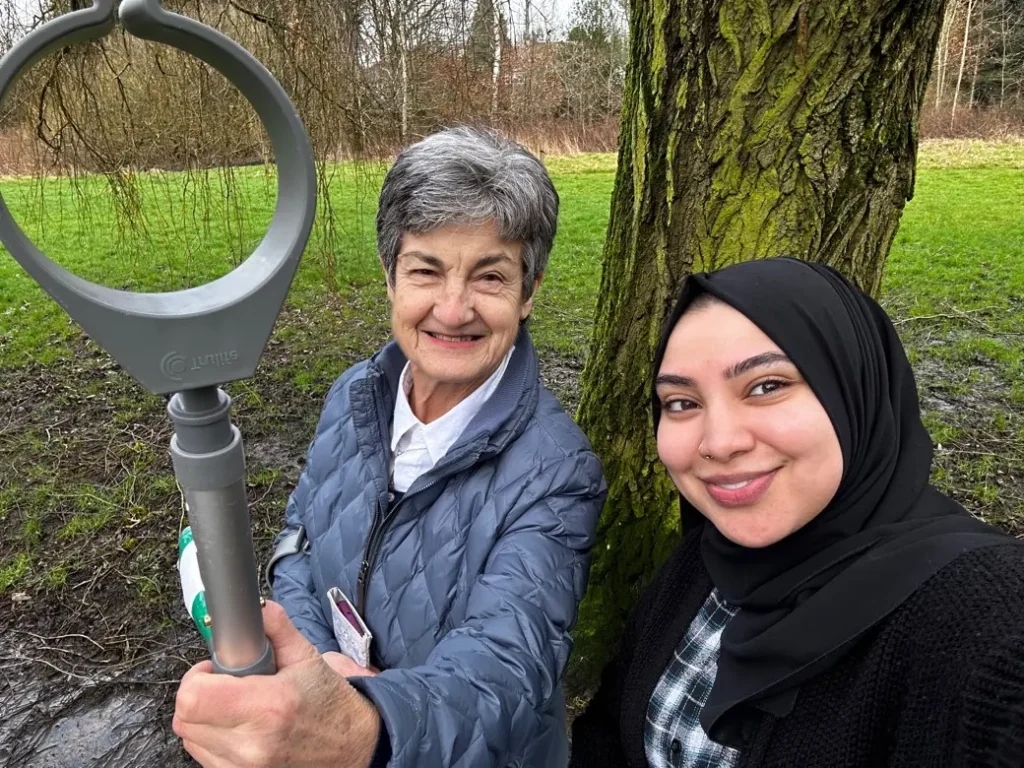
Helping an elderly loved one enjoy the outdoors doesn’t have to be overwhelming or stressful. Sometimes just a short walk, a quiet sit in the garden or planting a few spring bulbs together can massively improve wellbeing and brighten their day.
Our Caregivers understand how meaningful these moments can be. We support clients with whatever they need to feel safe and comfortable outdoors, whether that’s mobility assistance, gentle encouragement, planning accessible routes or simply being there for a friendly chat.
If you’d like a little extra support to help your loved one get outside more often this spring, our home care team is here to help. Just get in touch to see how we can help you stay active and fit.
External references used in this guide:
- Mind – Nature and Mental Health
- NHS – Sleep Advice
- Age UK – Staying Steady
- NHS – Sunscreen and Sun Safety
- NHS – Dehydration
- Alzheimer’s Society – Getting Out and About (PDF)

Jo joined Unique Senior Care as a Carer in 2011, transitioning from a nursing background. With 25 years of experience in health and social care, including mental health and children with disabilities, Jo has embraced numerous growth opportunities within the company.
Passionate about learning and development, Jo earned a Level 5 Diploma in this field and is committed to equipping teams with the skills needed for outstanding care.
Jo’s qualifications include advanced training in people handling, risk assessment, safeguarding, basic life support, first aid, health and safety, and dementia care. Jo has also completed numerous workshops and CPD courses, such as the SCIE’s Co-Production webinar.
These accomplishments reflect Jo’s dedication to fostering a culture of safety and excellence in care.