

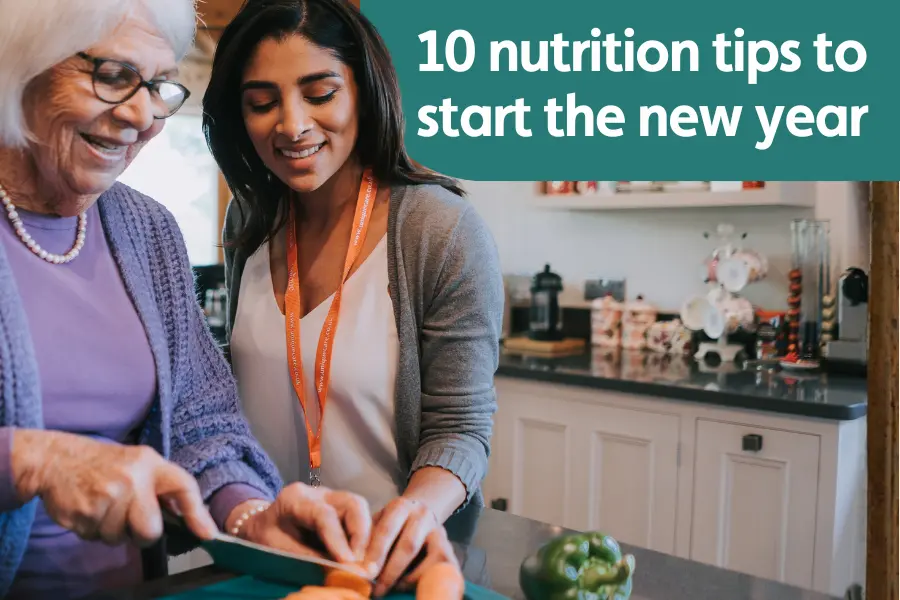
Summary: This comprehensive guide explores how to support better nutrition for seniors, offering practical and emotional advice for older adults, family members, and Caregivers. It explains how ageing affects appetite and energy, outlines common challenges like dehydration or reduced interest in food, and shares ten step-by-step nutrition and mealtime strategies to build healthy habits for the year ahead. The blog also includes a real-life example showing how professional care can improve appetite, confidence, and wellbeing.
The start of a new year often encourages small, positive changes to improve our health and wellbeing, whether it’s exercising more or starting a new hobby. For older adults, focusing on nutrition is one of the simplest ways to boost energy, support independence, and feel more comfortable day to day. In this guide, we’ve shared ten practical nutrition tips for seniors, with simple ideas that help older adults build better routines and start the year on a stronger, healthier note.

10 Tips to Support Nutrition and Start the Year Healthier
1. Begin with a Balanced Breakfast
A new year is the perfect time to refresh morning routines. A nutritious breakfast provides the fuel needed for energy, focus, and steady blood sugar throughout the day. Porridge with milk, yoghurt and fruit, or eggs on wholegrain toast are all easy, affordable options. Including protein supports muscle maintenance, while fibre-rich choices like oats or fruit help digestion. Preparing breakfast items the night before, such as overnight oats or fruit portions, makes mornings smoother and encourages consistency. A steady breakfast habit helps regulate appetite and improves overall eating patterns.
2. Keep Nutritious Foods Close By
When appetite or energy levels dip, convenience matters. Having nourishing foods within easy reach can make the difference between eating something healthy or skipping a meal altogether. Keep pre-cut fruit, oat biscuits, yoghurt pots, or sandwiches ready in the fridge so they’re quick to grab. A small snack basket or shelf with easy-to-open items, like dried fruit, nuts, or crackers, helps make eating effortless, even on days when energy is low. The goal is to make nutritious choices the most convenient ones, ensuring regular intake without extra effort.
3. Make Hydration a Habit
In colder months, people often forget to drink as much as they should. Dehydration can lead to tiredness, confusion, and even urinary infections. Setting gentle reminders and offering a drink with every meal, or leaving a filled glass in sight, can make hydration easier. Water, milk, tea, and diluted juice all count. Try adding lemon or cucumber slices for flavour or serving drinks warm in winter. A good rule of thumb is to aim for 6–8 drinks a day. Encouraging hydration also helps improve concentration and maintain skin and joint health.
4. Add Colour to the Plate
January is a great time to brighten up meals after heavier winter foods. Colourful plates make food more appealing and can encourage better appetite. They also provide a natural mix of vitamins and minerals – green vegetables for fibre, orange or yellow foods for immune health, and purple or red produce for heart health. Brightly coloured tableware can also help those with sight loss or dementia. Making meals visually appealing adds both interest and motivation to eat, turning everyday mealtimes into a moment to enjoy.
5. Build Routine Around Mealtimes
Eating well isn’t only about what’s on the plate, it’s also about when and how meals happen. Establishing regular times for breakfast, lunch, and dinner helps the body know when to expect food and maintains steady energy. A predictable routine can be especially reassuring for people living with memory loss or those who struggle with appetite. Setting the table, playing soft music, or turning off distractions can signal that it’s time to eat and create a calmer, more mindful environment. Consistent mealtimes also help Caregivers and families plan balanced meals more easily throughout the week.
6. Add Variety Through the Week
It’s easy to fall into habits of eating the same few foods, especially when shopping or cooking feels tiring. But variety is important, not only for nutrients but also for enjoyment. Try introducing one new food or recipe each week, such as a vegetable soup, lentil dish, or grilled fish. Changing up textures and flavours stimulates appetite and can help identify new favourites. Seasonal produce also tends to be fresher and more affordable, so January is ideal for soups, root vegetables, and citrus fruits. Encouraging variety helps older adults stay interested in meals and supports a full spectrum of vitamins and minerals essential for ageing well.
7. Prepare Meals in Advance
Planning ahead helps maintain healthy habits and reduces stress around mealtimes. Batch cooking once or twice a week means nutritious meals are always available, even on low-energy days. Freeze portions of stews, casseroles, or vegetable curries that can be reheated easily. Using a slow cooker can also make cooking safer and less labour-intensive. For those receiving care, this approach ensures consistent, balanced nutrition without the pressure of daily preparation. You could even keep a weekly meal planner on the fridge to help everyone stay organised and prevent ingredients from going to waste.
8. Create a Calm, Social Mealtime Environment
Mealtimes offer far more than physical nourishmentth. They’re a chance to share a laugh, chat about your day, and enjoy a sense of companionship. After the bustle of the holidays, January can feel quieter, so sitting down to eat with others can help lift spirits and bring structure to the day. Keep the atmosphere calm by reducing background noise and serving food at a relaxed pace. Sharing meals with family, friends, or a Caregiver often encourages a better appetite and supports emotional wellbeing. When that isn’t possible, a quick video call or phone chat during meals can still bring comfort.
9. Encourage Independence and Choice
Supporting independence around food promotes confidence and maintains dignity and self-esteem. Even small actions, like choosing from a meal plan, setting the table, or stirring ingredients, help older adults stay engaged. Where possible, let them select from a few healthy options so eating feels like a choice, not a task. For those with dementia or reduced dexterity, using adapted utensils or easy-grip plates can help keep them involved. Starting the year by promoting independence in these small ways encourages lasting confidence and independence in daily life.
10. Check Vitamin and Mineral Intake
The beginning of the year is the perfect time to review overall health and diet. Ask a GP or dietitian whether supplements are needed, especially during darker months when vitamin D is limited. The NHS recommends a 10-microgram daily vitamin D supplement for adults through autumn and winter (vitamin D). Iron, calcium, and B12 are also important to maintain bone and nerve health, particularly for those on limited diets. Encouraging balanced meals and appropriate supplementation can help prevent fatigue, weakness, and longer-term issues such as osteoporosis.
How Professional Care Can Support Better Nutrition
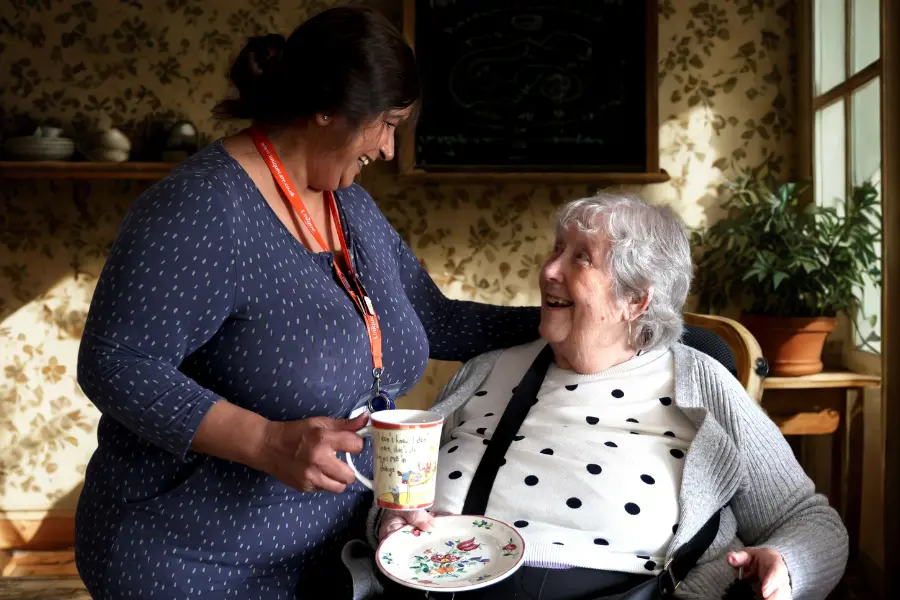
Even with the best intentions, it can be hard to manage good nutrition every day, especially when appetite, mobility, or confidence around cooking changes. Professional Caregivers can play a vital role in making eating and drinking easier, more enjoyable, and more consistent. The story below shows how small, personalised care can make a big difference.
Our Client’s Story
One of our clients, aged 93, lives independently with regular support from her Caregivers. Over time, she began to lose weight and showed less interest in food. Her family arranged for advice from a nutritionist, and it was later discovered by the SALT team that she had acid reflux, which made swallowing more difficult.
To help, her Caregivers made small, thoughtful changes to her daily routine. They prepared her favourite breakfast of toast with marmalade each morning, left easy snacks like yoghurt and fruit within reach, and worked with Auntie Jean’s kitchen to make her meals a little richer with butter and cheese. They also reminded her to keep up with her nutritional shakes twice a day. After a short hospital stay, her care plan was updated to include more support at mealtimes while she regained her strength.
Within a few weeks, her appetite and energy returned. She started walking more steadily and enjoyed eating out at the café again with her Caregivers. Her story shows how personalised care and small, consistent support can make a real difference, helping older adults eat well, feel stronger, and enjoy life again.
The Difference Good Nutrition Can Make
Good nutrition helps older adults stay independent, maintain strength, and feel well throughout the year. Starting with small, achievable habits, like regular drinks, balanced meals, and enjoyable mealtimes, builds a foundation for long-term health and comfort. When families, Caregivers, or individuals themselves make these small adjustments, mealtimes become not just about food, but about care, confidence, and connection.
If you or someone close to you would like a bit of extra help with mealtimes or company over lunch or dinner, just get in touch with our friendly team. We’ll chat about what kind of support might make things easier and how one of our Caregivers could lend a hand to make mealtimes more relaxed and enjoyable.

Jo joined Unique Senior Care as a Carer in 2011, transitioning from a nursing background. With 25 years of experience in health and social care, including mental health and children with disabilities, Jo has embraced numerous growth opportunities within the company.
Passionate about learning and development, Jo earned a Level 5 Diploma in this field and is committed to equipping teams with the skills needed for outstanding care.
Jo’s qualifications include advanced training in people handling, risk assessment, safeguarding, basic life support, first aid, health and safety, and dementia care. Jo has also completed numerous workshops and CPD courses, such as the SCIE’s Co-Production webinar.
These accomplishments reflect Jo’s dedication to fostering a culture of safety and excellence in care.