
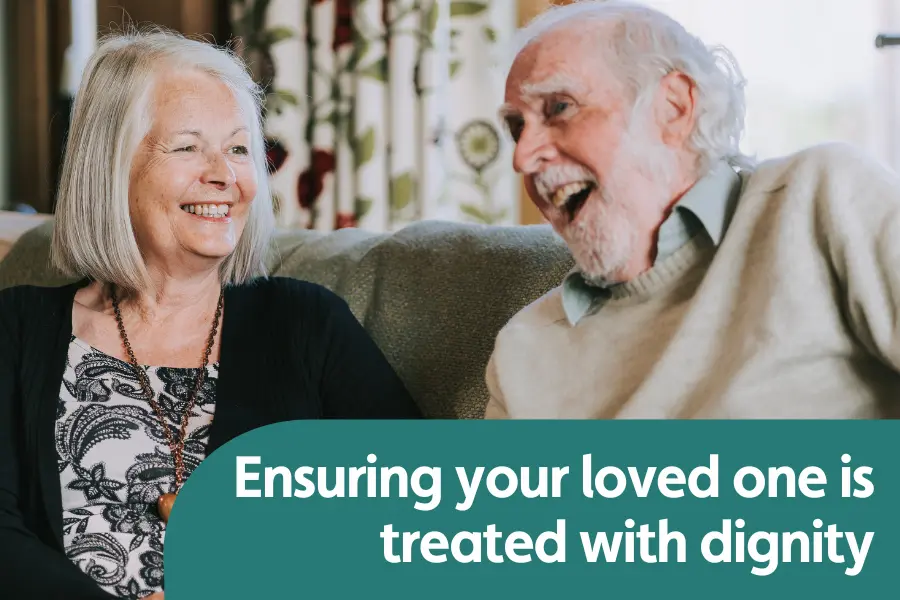
Whenever we entrust someone else with the care of a loved one, it can stir up a lot of emotions. There’s often a mixture of relief, guilt, anxiety — and one persistent question: Will they be treated with respect? This concern can feel even more pressing in a home care setting, where a sole Caregiver may be providing support behind closed doors, without the daily oversight that might exist in a care home with on-site management. In this guide, we’ll help you understand how to make sure dignity in elderly care isn’t just a hope but a guarantee, every single day.
Why Respect and Dignity Matter So Much in Home Care
Respect and dignity go far beyond being polite. They’re about honouring someone’s identity, choices and humanity. In a home care setting, where support is more personal and often one to one, these values are especially important.
Unlike care homes with on-site teams, home care happens behind closed doors. That can be a wonderful thing: care in familiar surroundings, built around your loved one’s routines. But that only works when the person delivering it truly sees them as more than a list of tasks.
Dignity in elderly care means:
- Being spoken to kindly
- Having your choices respected
- Being seen as a person, not a task
- Feeling safe, valued and heard
When dignity is part of everyday care, it helps maintain confidence and self-worth. Without it, even the best intentions can leave someone feeling overlooked or diminished. That’s why it’s not just about choosing care. It’s about choosing the right kind of care.
Watch Claires story to hear how continuity, companionship, and respect help her dad, Don, stay safe and comfortable at home.
Step 1 – Choose a Provider That Puts Dignity First
Ensuring your loved one is treated with respect starts with who you choose to provide their care. Not all home care providers are the same, and asking the right questions at the start can make all the difference.
What to look for in a care provider:
- Do they describe how they deliver person-centred care, not just mention it?
- Can they give examples of how they’ve adapted care for individuals?
- Are Caregivers trained specifically in communication, empathy and dignity?
- What do other families say in their reviews or testimonials?
Red flags to watch for:
- Generic or unclear answers about care approaches
- A focus on speed or volume over relationships
- High staff turnover, short visits, or no continuity of Caregiver
When speaking with a provider, ask directly: How do you ensure dignity in your care? A confident, specific answer will usually tell you all you need to know.
You can also refer to the Care Quality Commission’s guide for families for clear expectations about how care should be delivered.
Step 2 – Build a Care Plan That Reflects Who They Are
A respectful care plan doesn’t just list tasks. It should reflect your loved one’s personality, preferences, and daily routines – because dignity lives in the details.
While it’s the care provider’s role to create and manage the plan, you can help shape it by sharing what matters most to your loved one.
This approach is reinforced in both the SCIE guidance on dignity in care and the NICE guidelines for person-centred care, which highlight how family insights can help tailor care that feels personal and respectful.
Encourage the care team to include:
- Daily habits and preferences: how they like their tea, what time they prefer to wake, or their usual breakfast
- Personal routines: favourite radio station, hobbies, spiritual practices, or regular calls with family
- Communication style: whether they enjoy conversation or prefer quiet companionship
- Cultural or religious beliefs: food preferences, traditions, or observances that should be honoured
- Health and emotional needs that may affect how care is delivered
Make sure the care plan is reviewed regularly and updated when things change. A good plan is never static, it should evolve to reflect your loved one’s current needs, preferences, and wellbeing.
Where possible, involving your loved one in conversations about their care helps them feel heard and respected. Even small contributions can give back a sense of control and identity.
Watch our client, Elaine’s, story and hear how small, personal details help to preserve her dignity.
Step 3 – Stay Involved and Observant
Once care starts, your role doesn’t end. Ongoing respect relies on staying connected. Not in a controlling way, but as a caring presence that reassures your loved one and reinforces good practice.
Ways to stay meaningfully involved:
- Visit regularly, even if it’s just a short chat or a cup of tea
- Check in with your loved one privately and ask open questions about how they feel
- Build a relationship with Caregivers – small conversations can go a long way
- Look out for any changes in mood, hygiene, routine, or behaviour that don’t feel right
- Encourage continuity of care wherever possible, so your loved one sees familiar faces
- Ask how the care plan is being followed and if anything has changed recently
Trust your instincts. If something feels off, it probably is. Staying involved helps ensure issues are spotted early and reinforces the message that your loved one matters, every single day.
Step 4 – Be Their Advocate, Always
Even with the best care, things can go wrong. A rushed visit. A careless comment. A change in staff that unsettles the routine. In moments like these, being an advocate means stepping in early, constructively, and consistently.
If you notice concerns:
- Raise them promptly and calmly with the care provider
- Keep clear notes of what you’ve seen or heard
- Refer to the care plan as a shared understanding of agreed preferences and needs
- Don’t wait for a crisis – early intervention prevents problems from escalating
Advocating for your loved one is not just your right. It’s supported by national care standards. CQC Regulation 10 protects every person’s right to be treated with dignity and respect. The CQC’s guide for families also outlines what good care should look and feel like.
Reputable providers will always welcome feedback and want to work with you to resolve issues. If concerns aren’t acknowledged or resolved, it may be time to reconsider whether the provider is right for your loved one.
What Great Care Looks Like Every Day
Real dignity isn’t about grand gestures or written policies. It’s about the everyday behaviours that show a person is valued and seen.
Good care looks like:
- A Caregiver who knocks before entering and waits for a response, respecting privacy
- Asking how someone likes their tea and remembering — because routine matters
- Taking the time to explain what’s about to happen before starting personal care, so the person feels safe and in control
- Listening patiently and attentively — even when a story is told more than once
- Noticing small changes in mood, appetite, or energy and responding with sensitivity
These moments may seem simple, but they build trust, preserve dignity, and protect identity. They reflect care that is responsive, respectful, and grounded in the individual’s needs and preferences.
As Helena Hitchcox, Managing Director of Unique Senior Care, explains:
“We often talk about dignity as a value, but it’s also a skill. It’s one that comes from truly understanding the person you’re supporting. Great Caregivers notice the details others might miss: the expression on someone’s face, the hesitation in their voice, the way they hold their hands when they’re feeling uncertain. These are cues that guide us to slow down, listen more carefully, and respond with compassion. That’s how respect becomes real in care, not just in words, but in every interaction.”
You Deserve Peace of Mind
When someone else is caring for the person you love, it’s natural to feel protective – even uneasy. But by asking the right questions, staying involved, and knowing what good care looks like, you can feel confident your loved one is being treated with the dignity they deserve.
Respectful, person-centred care isn’t a bonus, it’s the foundation of safe and effective care. And when it’s done well, it brings peace of mind not just to your loved one, but to you as well.
If you’d like to talk about what respectful home care could look like for your family, explore our home care services or get in touch with our team today.
References
- SCIE: Dignity in care
- NICE: Person-centred care recommendations
- SCIE: Person-centred care
- CQC: What you can expect
- CQC Regulation 10: Dignity and respect

With over 40 years of experience in the care industry, providing outstanding care has always been Helena’s core mission.
Helena has been a dedicated member of Unique Senior Care for eight years, starting as Care Manager and advancing to Head of Extra Care and now serving as Director of Operations.
She holds a Level 5 Diploma in Leadership for Health and Social Care and Children and Young People’s Services (England), as well as a Diploma in Welfare Services. Helena has completed various leadership and management courses, enhancing her expertise in the care industry.
Helena has authored published articles, including one for Skills for Care on managing change through the COVID pandemic. She has a steadfast commitment to advocating for and supporting those in need, ensuring their voices are heard and their rights upheld.