

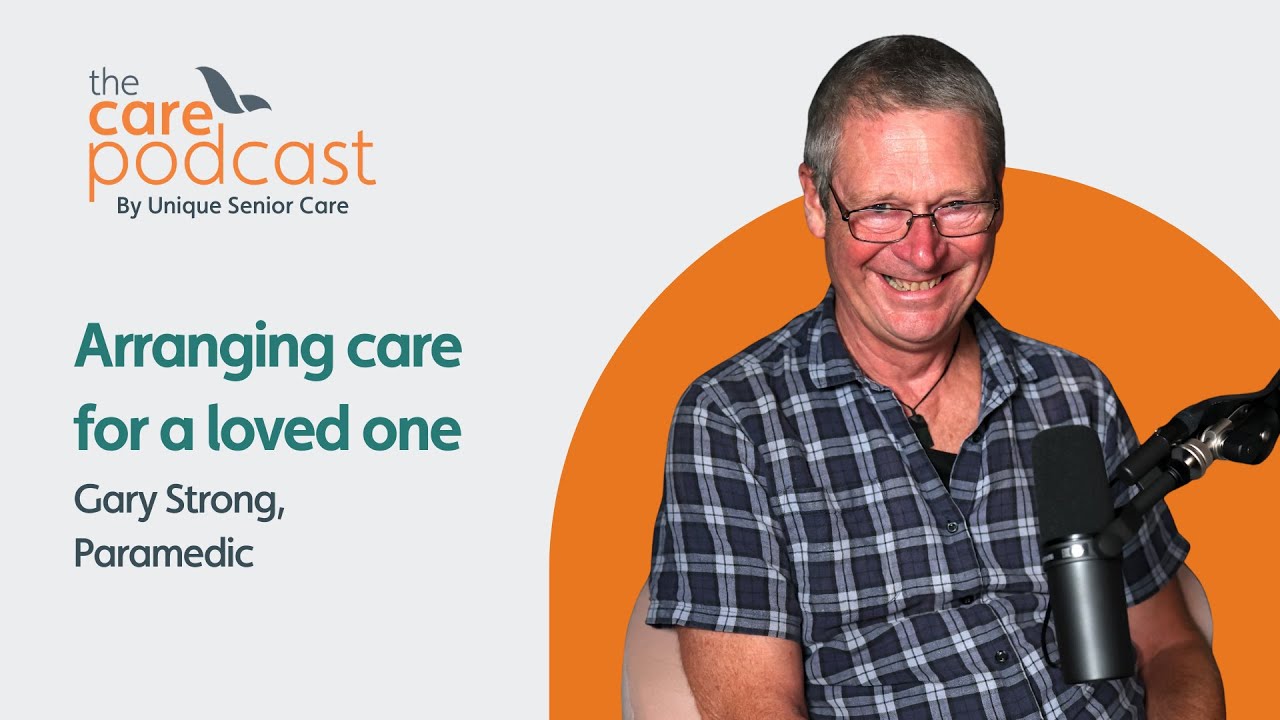
What I Wish I Knew Before Arranging Care for a Loved One
Season 1 • Episode 1 • 45:53
When someone close to you starts to need help, it can take a while to realise just how much things are changing. At first, you're popping round more often. Then you're sorting prescriptions, juggling appointments, and trying to start a conversation about care that nobody really wants to have.
Recently, we were really privileged to have Gary Strong on The Care Podcast. He has a unique perspective on this subject. As a paramedic educator, he’s spent decades supporting others in crisis. But when it came to his own parents, he was unprepared for the emotional toll that came with his own parents needing greater support. Even with all his experience, he found it hard to know what to do, or when to step in.
In this episode, Gary reflects on what he learned the hard way. His story won’t be the same as yours, but if you're supporting a loved one or thinking about arranging care, it might help you feel a little more prepared.
"Becoming responsible for the care of close family is without doubt the hardest 'job' I have ever had. It can be an active choice, or it can take you by surprise, in that you don't realise you are a carer until you have been one for some time. You may be in the same street as your loved ones, or as in my case many miles away. In this conversation with Jo I share some thoughts on what I have learned from my own journey: about how I and my family needed professional support, but did not know where to look; about the challenge of getting professional care accepted by your loved ones; about the emotional ups and downs and the toll it took on me personally. The key message I want to share is, ask for help, ask early and get the best and most flexible support you can afford. Admitting the need for good professional support is not a failure, rather it is a positive step into a new relationship in which you are more able to be yourself and support your loved ones at their time of need."
— Gary Strong, Paramedic
Recognising when it's time for help
When a loved one needs professional support at home, it doesn’t always start with a crisis. More often, it creeps up slowly. A missed appointment here, a meal forgotten there. Maybe the house starts to feel harder to manage, or they're not taking care of themselves as they always have.
Very often, you step in to help a loved one as their needs increase - maybe popping over to make dinner, or doing the weekly shop. But at some point, you realise you’ve become a carer for your loved one and it’s become more than just helping out.
This was exactly the case for Gary. His parents had spent years caring for his youngest sister, who lives with long-term mental health challenges. That responsibility had taken its toll, but Gary and his other sister didn’t realise quite how much until much later.
"We just wanted to get a cleaner in," he remembers. "But they wouldn’t even have that." Even that small, practical step was gently but firmly refused. Gary's parents didn’t want anyone new coming into the house. They felt they were managing and didn’t believe they needed help. What felt like a simple offer from Gary and his sister turned out to be a much slower, more delicate process of trying to introduce any outside support at all.
That reluctance continued for years, and because Gary lived 200 miles away and his sister was also balancing family life, it wasn’t always easy to spot just how much things were deteriorating.
If he could go back, Gary says he would’ve asked for help earlier. Not because they weren’t trying, but because trying alone wasn’t the only option.
When your loved one resists care
It’s not always easy to get support in place — especially when the person you’re worried about doesn’t feel they need it. This is something lots of families come up against. It can feel obvious from the outside that someone needs help, but they might be proud of their independence or simply not ready to accept change.
For Gary and his sister, this created a lot of emotional strain. At one point, he even found himself questioning whether he might need to raise a safeguarding concern about his mum — a situation no one wants to be in.
The turning point came after a chat with a link worker from Alzheimer’s Society. They suggested looking at care providers with strong CQC ratings, which led Gary and his sister to Unique Senior Care. They had a Zoom call with the team, and something clicked. It felt honest, reassuring, and human — so they arranged a first visit.
That visit turned out to be a big moment. One of the care managers connected with Gary’s dad straight away. She walked in and made a joke which matched his sense of humour perfectly. It was the first time anyone from outside the family had been welcomed in, and it gave them a way to start moving things forward.
It still took time for his dad to feel comfortable accepting more personal support, but that first visit broke the ice. And sometimes, that’s all you need - a gentle start, the right person, and a bit of patience.
How to find the right care provider
Looking for care can feel like a bit of a minefield. It’s not always clear where to start, especially if it’s the first time you’re doing it. You want someone kind, reliable, and experienced but you also want to feel like you’re in safe hands. That they understand what matters to your family.
If you’re starting to look for care, a good place to begin is with the Care Quality Commission (CQC) ratings. They show how well providers meet key standards like safety and responsiveness. But just as useful are the reviews left by other families who've exepreince the providers care. You can find lots of reviews on sites like homecare.co.uk, Google or Trustpilot and these often give a much clearer picture of what a provider's care is really like day to day.
Those honest, first-hand accounts often reveal more than any brochure. By reading what other families say, you can get a good idea of whether carers are consistent, if they communicate well, and whether they treat people with the kindness and respect they deserve. You can also get a good ideas of the support you'll get from your office team as well, as this is just as important.
In Gary’s case, it was the combination of consistent care and a personal touch that helped things work well. The carers supporting his dad took time to get to know him - not just what needed doing, but what made him comfortable. They understood his routines and sense of humour, and built up trust over time.
If you’re choosing care, it’s worth looking for a team that takes this approach. One that sees your loved one as a person, as doesn't approach their visits as a checklist of tasks.
Caring for yourself while caring for others
When you’re focused on looking after someone else, it’s easy to push your own needs to one side. But care burnout is alarmingly real, and it’s more common than many people realise. In fact, research shows that over 70% of unpaid carers report experiencing mental health challenges due to their caring role (Carers UK, 2024).
Gary knows this first-hand. He was juggling managing care from 200 miles away while working and managing his own family life. Eventually, it caught up with him. “I fell apart for a while,” he says. “I took extended leave and just spent some time sorting myself out.”
What helped was talking - both to people around him, and to a counsellor. He describes counselling as “physiotherapy for the mind”, giving him space to process everything and start to rebuild.
Gary’s story is a reminder that you don’t have to reach crisis point to ask for help. Sometimes talking to a professional is the best way to look after yourself — and, in turn, to keep being there for someone else.
There are some practical, evidence-based steps that can help reduce the risk of burnout:
- Take short, regular breaks throughout the day — even a few minutes away from your usual routine can ease mental strain.
- Try not to isolate yourself. Talking to someone, whether a friend, support group, or professional, can make a big difference.
- If you’re eligible, make use of respite care. Even a short break from caring duties can give you time to rest and reset.
- Speak to your GP if you’re struggling. They can connect you with carer support services, counselling, or local help.
- Prioritise small things that restore your energy, like a walk, reading, or time with people who make you feel like yourself.
Looking after someone else doesn’t mean ignoring your own needs. You’re doing something incredibly important but you’re not expected to do it all without help.
You can’t do it all — and you don’t have to
One of the biggest turning points in Gary’s journey came once care was in place. It gave him and his sister the chance to step back from the day-to-day responsibilities and just be family again. They were still involved - still checking in, chatting to carers and helping make decisions - but they no longer had to carry the whole thing on their own.
That space meant they could also focus on supporting their sister, who lives with long-term mental health challenges. With a bit of encouragement and the right support around her, she started doing things she hadn’t done in years - cooking a meal, tidying up, taking pride in the everyday. It wasn’t perfect, but it was progress.
Gary talked about how much it helped to feel like he was part of a team. The carers took the time to get to know his family and how they worked. When they were consistent and well-briefed, it wasn’t just his parents who felt supported, it was the whole family.
That’s why good care goes deepr than just supporting with practical tasks. It’s about people, relationships and the small details that make someone feel safe and seen. When those things are in place, care can feel like a help - not a handover.
When things don’t go to plan
Even with good care, bumps in the road are inevitable. For Gary, some of the more difficult moments came as his father’s dementia progressed and his behaviour changed. Carers handled these situations with skill and sensitivity, recognising that the changes were part of the condition.
There were also times when a particular carer wasn’t the right fit. But the family felt confident enough to raise this, and the care team responded quickly and respectfully. That openness to feedback made a real difference.
Gary’s advice to others: trust your instincts, and speak up if something doesn’t feel right. Good care is a collaboration, and no one knows your loved one better than you do.
If you’re facing similar challenges, there are a few things that can help:
- Keep communication open with your care provider. A good team will want to know if something isn’t working, and will work with you to find a solution.
- Keep a log or notes on anything you’re concerned about — behaviours, timings, or changes in mood. This can help you spot patterns and talk things through more clearly.
- Ask for a care review if things change. Providers should be open to adjusting support when your loved one’s needs evolve.
- Stay involved as much as you're able. Regular check-ins ( even quick ones) can help build trust and keep things on track.
It’s completely normal for care to need tweaking over time. But with the right support and open conversations, most issues can be resolved before they become bigger problems.
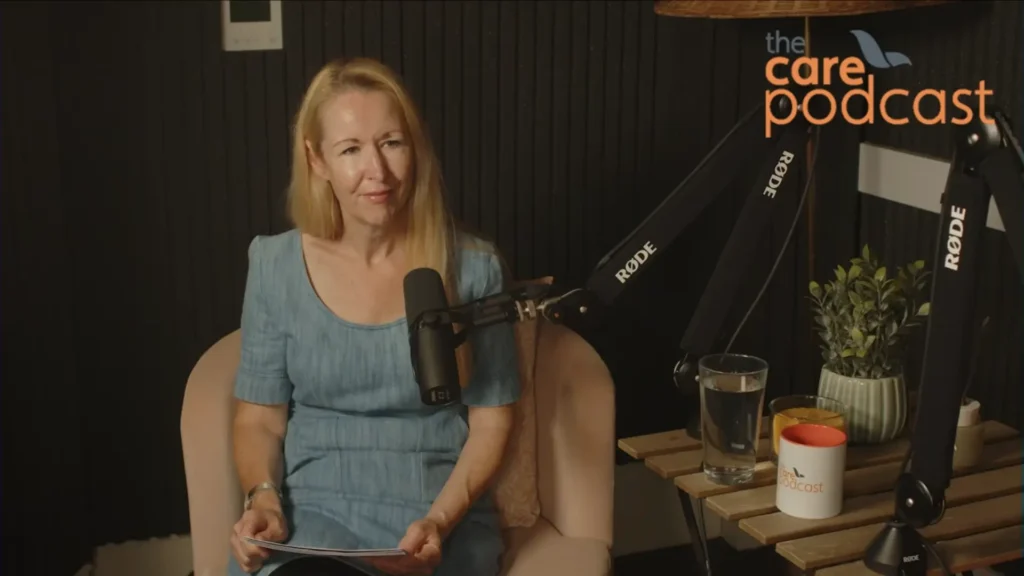
Finding confidence in the care journey
Accepting care doesn’t mean stepping back from your loved one. It means stepping into a different role. One where you can be present, supportive and better able to cope.
As Gary’s story shows, with the right help, even the hardest situations can become manageable. And sometimes, they can even be hopeful.
If you’re on that journey now, you’re not alone. We’re here to help.
If you’ve found this helpful, you might enjoy more episodes of The Care Podcast — full of real stories and honest advice from families and care professionals. And if you’re thinking about arranging care, our team is here to talk things through.
Visit our Care Advice Hub or get in touch — helping people make sense of care is what we do.https://youtu.be/PvVFStCTQPA
Episode details
- Series
- The Care Podcast
- Episode title
- What I Wish I’d Known Before Arranging Care for My Loved Ones
- Release date
- Duration
- 45:53
- Episode
- 1
- Season
- 1
- Host
- Jo Cleary
- Guest
- Gary Strong
- Produced by
- Unique Senior Care
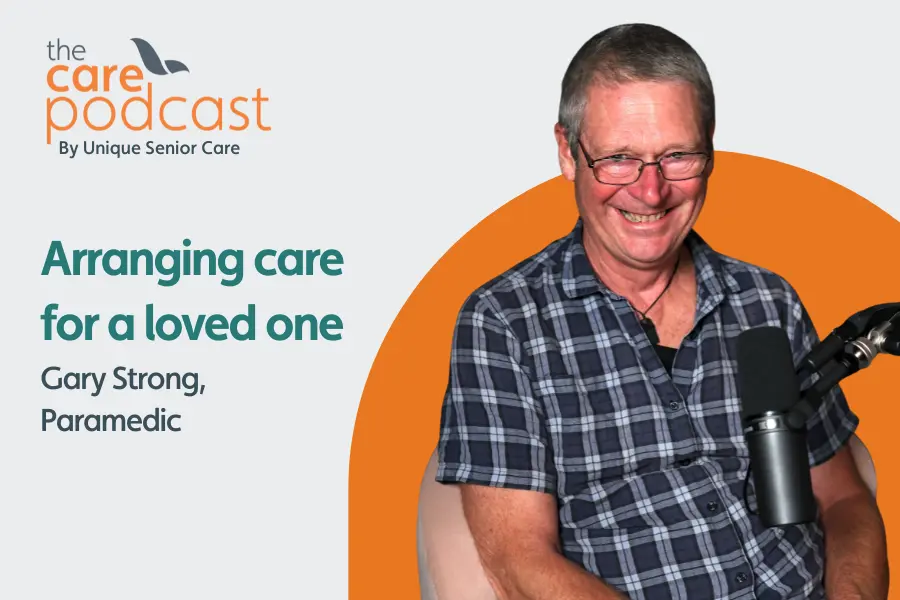

Gary Strong is the National CPD Lead (Education) at the College of Paramedics, where he has overseen professional development for members since 2017. With a background in paramedic education spanning two decades, he has held roles from Clinical Tutor and Clinical Lead to Programme Lead for degree courses in the UK and abroad.
Passionate about lifelong learning, Gary has shaped e-learning and CPD resources that help thousands of paramedics stay confident and competent in practice. As both an education leader and a Unique Senior Care client, he brings a dual perspective on care and professional development that makes his voice both credible and relatable.